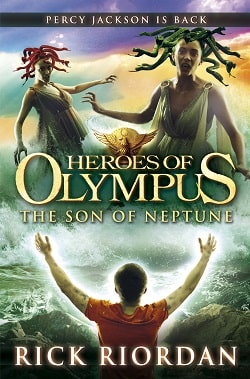
Rick Riordan's The Son of Neptune, the second book in The Heroes of Olympus series, is a thrilling continuation of the world he masterfully crafted in the Percy Jackson & the Olympians series. This novel not only expands the universe with new characters and settings but also deepens the mythology that fans have come to love. With its blend of action, humor, and emotional depth, The Son of Neptune is a compelling read that keeps readers engaged from start to finish.
At the heart of the story is Percy Jackson, a character beloved by fans for his wit and bravery. However, in this installment, Percy is a shadow of his former self, suffering from amnesia and struggling to piece together his identity. This narrative choice by Riordan is both bold and effective, as it allows readers to experience the world anew through Percy's eyes. His confusion and vulnerability add layers to his character, making him more relatable and human. The amnesia plot device also serves to introduce new readers to the series without overwhelming them with backstory, while still providing enough intrigue for long-time fans.
Joining Percy are two new demigods, Hazel Levesque and Frank Zhang, each with their own complex backstories and personal struggles. Hazel, a character who is supposed to be dead, grapples with the consequences of her past actions. Her story is one of redemption and second chances, themes that resonate deeply throughout the book. Hazel's ability to summon precious metals from the earth is both a gift and a curse, symbolizing the dual nature of power and responsibility. Her character arc is poignant and adds a rich layer of emotional depth to the narrative.
Frank Zhang, on the other hand, is portrayed as a clumsy and insecure teenager who is unaware of his true potential. His journey is one of self-discovery and acceptance, as he learns to embrace his heritage and the unique abilities that come with it. Frank's character development is particularly compelling, as Riordan expertly balances his moments of vulnerability with his growing confidence and bravery. The dynamic between Frank and Hazel is heartwarming, providing a sense of camaraderie and mutual support that is essential to the story's progression.
The setting of The Son of Neptune is another standout element. Riordan introduces readers to Camp Jupiter, the Roman counterpart to Camp Half-Blood, and in doing so, expands the mythological universe he has created. The Roman camp is depicted with meticulous detail, from its military structure to its rich history, offering a fresh perspective on the demigod experience. This new setting not only serves as a backdrop for the characters' adventures but also enriches the narrative with its unique culture and traditions.
Riordan's writing style is as engaging as ever, blending humor with action and emotion. His ability to weave mythology into a modern setting is unparalleled, and he continues to do so with finesse in The Son of Neptune. The book is filled with thrilling battles, clever dialogue, and moments of introspection that keep readers invested in the characters' journeys. Riordan's use of multiple perspectives allows for a more comprehensive understanding of the story, as readers are given insight into the thoughts and motivations of each protagonist.
The themes explored in The Son of Neptune are universal and timeless. The quest for identity, the struggle for redemption, and the power of friendship are all central to the narrative. Riordan handles these themes with sensitivity and depth, ensuring that they resonate with readers of all ages. The book also touches on the concept of destiny and the idea that one's past does not define their future, a message that is both empowering and inspiring.
In comparison to other similar stories, such as J.K. Rowling's Harry Potter series or C.S. Lewis's The Chronicles of Narnia, Riordan's work stands out for its unique blend of humor and mythology. While Rowling and Lewis focus on the magical and fantastical, Riordan grounds his stories in the rich tapestry of ancient myths, making them both educational and entertaining. His characters are relatable and diverse, reflecting a wide range of backgrounds and experiences, which adds to the inclusivity and appeal of the series.
Overall, The Son of Neptune is a worthy addition to The Heroes of Olympus series. It successfully builds on the foundation laid by its predecessor, introducing new characters and settings while maintaining the charm and excitement that fans have come to expect from Riordan's work. The book's exploration of identity, redemption, and friendship is both thought-provoking and heartwarming, making it a must-read for fans of the series and newcomers alike. Whether you're a long-time fan of Percy Jackson or new to the world of demigods, The Son of Neptune promises an adventure that is as thrilling as it is unforgettable.