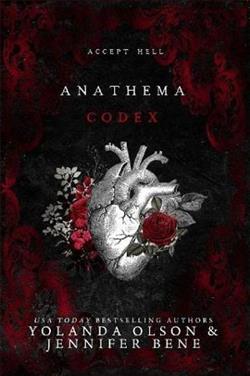
“Anathema Codex” by Yolanda Olson is a gripping exploration of complex relationships, identity, and the consequences of choices made in the heat of passion and revenge. The narrative unfolds through the perspectives of three central characters: The Acolyte, The God, and The Lover, each bringing their own unique voice and emotional depth to the story. Olson masterfully weaves their lives together, creating a tapestry of love, resentment, and the quest for understanding that resonates deeply with readers.
The story begins with The Acolyte, a character who feels invisible and desperate for recognition. The opening lines set a tone of vulnerability and longing, as she dares to confront a father who has never acknowledged her existence. This initial encounter is fraught with tension, as The Acolyte grapples with her father's disdain and the realization that her hopes for a connection may be futile. Olson captures the essence of youthful bravado mixed with the painful reality of rejection, making The Acolyte a relatable figure for anyone who has ever yearned for acceptance.
In contrast, The God represents a hardened exterior, a man who has built walls around himself to protect against emotional vulnerability. His reaction to The Acolyte's arrival is one of hostility, reflecting a deep-seated resentment that stems from his own past. Olson delves into his psyche, revealing layers of complexity that make him more than just a one-dimensional antagonist. The God’s internal struggles and his fixation on another character, Ichabod, add depth to his motivations and create a compelling narrative tension. Readers are drawn into his world, where the lines between love and revenge blur, and the stakes become increasingly high.
The Lover, meanwhile, serves as a bridge between the two, embodying the themes of love and sacrifice. Her connection to both The Acolyte and The God is fraught with emotional turmoil, as she grapples with her lingering feelings for The God while trying to navigate the chaos that ensues from their intertwined fates. Olson’s portrayal of The Lover is particularly poignant; she is a character torn between her past and present, embodying the struggle to reconcile love with the need for self-preservation. The tension between her desires and the reality of her situation creates a rich emotional landscape that keeps readers engaged.
One of the most striking aspects of Anathema Codex is its exploration of familial bonds and the impact of legacy. The Acolyte’s quest for her father’s approval and The God’s reluctance to embrace his role as a parent highlight the complexities of parent-child relationships. Olson deftly examines how the past shapes the present, as The God’s unresolved issues with his own family echo through his interactions with The Acolyte. This theme resonates with anyone who has experienced the weight of familial expectations or the desire to break free from generational cycles.
Olson’s writing style is both evocative and accessible, allowing readers to immerse themselves in the emotional currents of the story. Her use of dialogue is particularly effective, capturing the rawness of the characters’ interactions and the underlying tensions that drive the plot forward. The pacing of the narrative is well-balanced, with moments of introspection interspersed with action and conflict, keeping readers on the edge of their seats.
The themes of revenge and redemption are intricately woven throughout the narrative, prompting readers to reflect on the consequences of their actions. The God’s desire for revenge against those who have wronged him serves as a cautionary tale about the dangers of allowing anger to dictate one’s choices. Olson challenges readers to consider the cost of vengeance and the possibility of forgiveness, ultimately suggesting that healing can only occur when one confronts their past rather than running from it.
Moreover, the dynamic between the three characters serves as a microcosm of larger societal issues, such as the struggle for identity and the quest for belonging. Each character’s journey is a testament to the resilience of the human spirit, as they navigate the complexities of love, loss, and the search for self-acceptance. Olson’s ability to create multi-dimensional characters who grapple with their flaws and desires makes the story all the more impactful.
In comparison to other works in the genre, Anathema Codex stands out for its nuanced character development and emotional depth. While many contemporary romance novels focus on surface-level attraction and conflict, Olson delves into the psychological intricacies of her characters, offering a more profound exploration of love and its consequences. Readers who appreciate authors like Colleen Hoover or Tarryn Fisher will find much to love in Olson’s work, as she similarly blends romance with darker themes of betrayal and redemption.
In conclusion, Anathema Codex is a compelling read that challenges conventional notions of love and family. Yolanda Olson’s skillful storytelling and rich character development create a narrative that lingers long after the final page is turned. The interplay of hope, despair, and the quest for connection resonates deeply, making this book a must-read for anyone seeking a thought-provoking exploration of the human experience. Whether you are drawn in by the promise of romance or the allure of revenge, this novel offers a captivating journey that is sure to leave an impression.