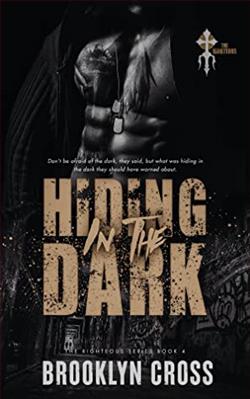
Brooklyn Cross's Hiding In the Dark (The Righteous 4) is a gripping exploration of trauma, resilience, and the complexities of love that emerges from the shadows of a troubled past. The narrative centers around Ashley and Kestrel, two characters whose lives are intertwined by their shared experiences of pain and the quest for redemption. Cross deftly navigates the emotional landscape of high school bullying, familial control, and the search for safety, creating a story that resonates deeply with readers.
The book opens with Ashley, a high school student who endures relentless torment from a bully. Cross captures the essence of high school as a microcosm of societal cruelty, where the vulnerable often find themselves at the mercy of the powerful. Ashley’s internal struggle is palpable; she grapples with feelings of worthlessness and fear, which are exacerbated by the constant threat of her tormentor. The author’s portrayal of Ashley’s emotional state is both raw and relatable, allowing readers to empathize with her plight. The question of whether she will ever find peace looms large, setting the stage for a compelling character arc.
As the story progresses, Ashley’s journey takes a significant turn when she begins to feel safe for the first time. However, this newfound sense of security is short-lived, as the return of her bully shatters her fragile peace. Cross expertly illustrates the theme of safety as an illusion, a recurring motif that underscores the unpredictability of life and the lingering effects of trauma. The tension builds as Ashley confronts her past, and readers are left wondering how she will navigate this renewed threat.
On the other side of the narrative is Kestrel, a character shaped by his own traumatic experiences. His backstory is rich and complex; raised under the oppressive thumb of a demanding father, Kestrel’s escape through enlistment reveals his desire for freedom and belonging. Cross delves into Kestrel’s psyche, exploring the deep-seated hatred he harbors and the bonds he forms with his fellow soldiers. The author’s portrayal of Kestrel’s internal conflict adds depth to his character, making him more than just a love interest for Ashley. He is a man grappling with his demons, seeking redemption through the brotherhood he finds in The Righteous.
The relationship between Ashley and Kestrel is central to the narrative, and Cross handles it with sensitivity and nuance. Their connection is rooted in shared pain, yet it blossoms into something beautiful and hopeful. Kestrel’s determination to protect Ashley and his desire to reclaim the love they lost in high school drive the plot forward. The tension between their past and present creates a compelling dynamic, as both characters must confront their fears and insecurities to forge a future together.
One of the book’s strengths lies in its exploration of themes such as vengeance, healing, and the power of love. Kestrel’s involvement with The Righteous—a group seeking justice for the innocent—serves as a backdrop for his personal growth. The author raises thought-provoking questions about the nature of justice and whether vengeance can truly lead to healing. Kestrel’s journey from a place of darkness to one of hope is inspiring, and it highlights the transformative power of love and connection.
Cross’s writing style is engaging and evocative, drawing readers into the emotional turmoil of her characters. The dialogue is authentic, capturing the nuances of teenage interactions and the complexities of adult relationships. The pacing of the story is well-balanced, with moments of tension interspersed with quieter, reflective passages that allow for character development. The author’s ability to create vivid imagery enhances the reading experience, making the settings and emotions come alive on the page.
In comparison to other works in the genre, Hiding In the Dark stands out for its focus on the psychological aspects of trauma and recovery. While many romance novels may gloss over the darker elements of a character’s past, Cross delves deep into the emotional scars that shape her protagonists. Readers who enjoyed books like It Ends with Us by Colleen Hoover or The Darkest Mind series by Alexandra Bracken will find a kindred spirit in this story, as it shares similar themes of resilience and the struggle for identity amidst adversity.
Overall, Hiding In the Dark is a powerful and poignant tale that resonates with anyone who has faced their own demons. Brooklyn Cross has crafted a narrative that is both heart-wrenching and uplifting, exploring the complexities of love and the enduring impact of trauma. The characters are well-developed, and their journeys are both relatable and inspiring. As Ashley and Kestrel navigate their intertwined fates, readers are left with a sense of hope and the understanding that even in the darkest of times, love can be a guiding light.
For those looking for a story that combines emotional depth with a gripping plot, Hiding In the Dark is a must-read. It invites readers to reflect on their own experiences of pain and healing, making it a memorable addition to the contemporary romance genre.