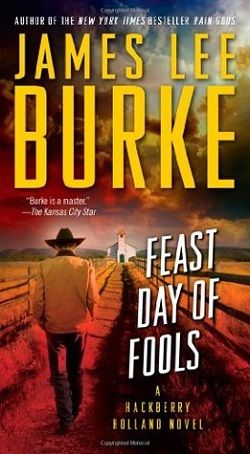
In Feast Day of Fools, James Lee Burke delivers a gripping narrative that intertwines the complexities of human emotion with the harsh realities of life along the Texas-Mexico border. This third installment in the Hackberry Holland series showcases Burke's masterful storytelling, rich character development, and profound thematic exploration, making it a compelling read for both long-time fans and newcomers alike.
At the heart of the novel is Sheriff Hackberry Holland, a character steeped in grief and moral ambiguity. Still mourning the loss of his beloved wife, Hackberry navigates the treacherous waters of his own emotions while attempting to protect the citizens of his small town. His relationship with his deputy, Pam Tibbs, adds a layer of complexity to his character. The almost-romantic tension between them is palpable, highlighting the themes of love, loss, and the struggle to move forward after tragedy. Burke's portrayal of Hackberry is both authentic and relatable; he is a man wrestling with his demons, seeking solace in the chaos that surrounds him.
The plot thickens when Danny Boy Lorca, an alcoholic ex-boxer, witnesses a brutal murder in the desert. This event serves as the catalyst for Hackberry's investigation, leading him to the enigmatic Anton Ling, known as La Magdalena. Burke's depiction of Ling is particularly striking; she embodies a duality that captivates Hackberry and the reader alike. Her regal beauty and steely demeanor suggest both vulnerability and danger, prompting Hackberry to question his own motivations. Is he drawn to her because she reminds him of his late wife, or is there something more sinister at play? This internal conflict adds depth to the narrative, as Hackberry grapples with the possibility that he may be blinded by his emotions.
Burke's exploration of morality is further complicated by the return of Preacher Jack Collins, a serial murderer whose chilling presence looms over the story. Collins is a character that Burke has crafted with meticulous care; his calm, single-minded zeal for killing is both terrifying and fascinating. The dynamic between Hackberry and Collins is a central theme of the novel, as they find themselves united against a common enemy. This unexpected alliance raises questions about the nature of evil and the lengths to which individuals will go to protect their own. Burke's ability to create multi-dimensional villains is one of his hallmarks, and Collins stands out as one of his most inspired creations.
Thematically, Feast Day of Fools delves into pressing issues such as immigration, energy, and religious freedom. Burke does not shy away from addressing the complexities of these topics, weaving them seamlessly into the narrative. The border town setting serves as a microcosm for the larger societal challenges facing America today. Burke's prose is rich with imagery and symbolism, allowing readers to engage with these themes on a deeper level. The desert landscape, with its stark beauty and inherent danger, mirrors the characters' internal struggles, creating a powerful backdrop for the unfolding drama.
Burke's writing style is another standout feature of the novel. His lyrical prose is imbued with a sense of place and atmosphere that transports readers to the heart of Southwest Texas. The vivid descriptions of the landscape, combined with the emotional weight of the characters' experiences, create a reading experience that is both immersive and thought-provoking. Burke's ability to evoke strong imagery while maintaining a tight narrative is a testament to his skill as a storyteller.
Comparatively, Burke's work can be likened to that of other literary giants such as Cormac McCarthy and Larry McMurtry, who also explore the complexities of human nature against the backdrop of the American Southwest. However, Burke's unique voice and focus on flawed, authentic characters set him apart. His ability to blend elements of crime fiction with profound philosophical inquiries elevates Feast Day of Fools beyond a mere thriller, making it a significant contribution to contemporary literature.
In conclusion, Feast Day of Fools is a powerful exploration of grief, morality, and the human condition, wrapped in a suspenseful narrative that keeps readers on the edge of their seats. James Lee Burke's ability to create rich, multi-dimensional characters and address complex themes makes this novel a must-read. As Hackberry Holland continues to navigate the treacherous landscape of his own heart while confronting the evils of the world around him, readers are left with a profound sense of reflection on the nature of love, loss, and redemption.
For those interested in a story that combines thrilling action with deep emotional resonance, Feast Day of Fools is an excellent choice. Burke's latest installment in the Hackberry Holland series is not just a novel; it is a poignant commentary on the struggles of our time, delivered through the lens of unforgettable characters and a richly woven narrative.