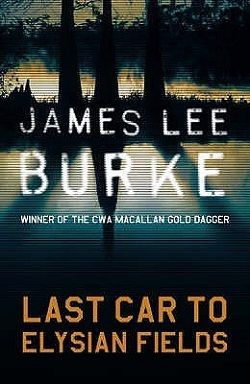
James Lee Burke's Last Car to Elysian Fields, the thirteenth installment in the Dave Robicheaux series, is a masterful blend of crime fiction, Southern Gothic, and deep psychological exploration. Set against the backdrop of Louisiana's haunting landscapes, Burke crafts a narrative that not only delves into the complexities of crime but also the intricacies of human nature, memory, and the inescapable grip of the past.
At the heart of the story is Dave Robicheaux, a police officer whose return to New Orleans is fraught with personal and professional peril. Burke's portrayal of Robicheaux is rich and layered; he is a man haunted by his past, grappling with the ghosts of his memories while trying to navigate the treacherous waters of his current investigation. The narrative begins with the brutal assault of Father Jimmie Dolan, a controversial priest and an old friend of Robicheaux. This incident serves as the catalyst for Robicheaux's return to New Orleans, a city that symbolizes both his roots and his demons.
Burke's writing is evocative and lyrical, painting vivid images of the Louisiana landscape while simultaneously exploring the darker aspects of human existence. The author’s ability to intertwine the beauty of the setting with the brutality of the crimes is one of the book's standout features. As Robicheaux confronts the drug dealer and porn star Gunner Ardoin, the tension escalates, and the reader is drawn into a world where morality is murky and danger lurks around every corner.
One of the most compelling aspects of Last Car to Elysian Fields is its exploration of themes such as guilt, redemption, and the cyclical nature of violence. Robicheaux's investigation into Father Dolan's assault leads him down a path that reveals not only the corruption of the city but also the deep-seated issues within himself. Burke masterfully illustrates how the past can haunt individuals, manifesting in both personal and societal violence. The character of Max Coll, a hitman with a tortured psyche, embodies this theme perfectly. His presence in the narrative serves as a reminder of the inescapable nature of one's choices and the consequences that follow.
The character development in this novel is particularly noteworthy. Robicheaux is not merely a detective; he is a deeply flawed individual wrestling with his own moral compass. His friendship with Clete Purcel adds another layer to the narrative, showcasing the complexities of loyalty and the bonds formed in the face of adversity. Clete, often the comic relief in previous installments, takes on a more serious role here, reflecting the gravity of the situation they find themselves in. Their dynamic is both entertaining and poignant, providing a counterbalance to the darker elements of the story.
Burke's ability to weave multiple storylines into a cohesive narrative is commendable. The subplot involving the tragic deaths of three teenage girls in a drunk-driving accident adds depth to the story, highlighting the impact of grief and loss on a community. Robicheaux's investigation into the source of the liquor and the subsequent murder of a daiquiri window owner further complicates the plot, showcasing Burke's skill in creating a web of intrigue that keeps readers engaged.
Moreover, the exploration of environmental issues, particularly the toxic landfill near St. James Parish, adds a contemporary relevance to the narrative. Burke's commentary on the intersection of crime and environmental degradation is timely and thought-provoking, urging readers to consider the broader implications of their actions and the systems in place that allow such injustices to occur.
As the story unfolds, the tension mounts, culminating in a confrontation that is both thrilling and deeply emotional. Burke's prose is sharp and impactful, capturing the essence of the characters' struggles and the weight of their choices. The resolution of the various plot threads is satisfying, yet it leaves readers with lingering questions about morality, justice, and the possibility of redemption.
In comparison to other works in the crime fiction genre, Burke's writing stands out for its poetic quality and philosophical depth. Authors like Michael Connelly and Dennis Lehane also explore similar themes of morality and the human condition, but Burke's unique voice and Southern Gothic sensibilities set him apart. His ability to evoke a sense of place and atmosphere is unparalleled, making Last Car to Elysian Fields not just a crime novel but a profound exploration of the human experience.
In conclusion, Last Car to Elysian Fields is a compelling addition to the Dave Robicheaux series that showcases James Lee Burke's exceptional storytelling abilities. With its rich character development, intricate plot, and exploration of profound themes, the novel resonates on multiple levels. It is a haunting reminder of the past's grip on the present and the complexities of human nature. For fans of crime fiction and those who appreciate literary depth, this book is a must-read.