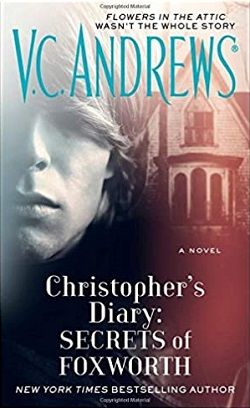
V.C. Andrews’ Christopher's Diary: Secrets of Foxworth is a compelling addition to the Dollanganger saga, a series that has captivated readers for decades with its blend of gothic horror, family drama, and psychological intrigue. This latest installment not only revisits the haunting legacy of Foxworth Hall but also introduces a new generation to the tragic tale of the Dollanganger children through the eyes of Christopher, the eldest son. The novel is a rich tapestry of themes such as jealousy, tragedy, survival, and revenge, all woven together with the threads of obsession and the quest for identity.
The narrative begins with seventeen-year-old Kristin Masterwood, who is drawn to the dilapidated Foxworth Hall when her father’s construction company is hired to inspect the property. The mansion, steeped in dark history, serves as a character in its own right, echoing the whispers of the past and the secrets it holds. Kristin's connection to the Dollanganger family, though tenuous, ignites her curiosity and compels her to delve deeper into the mysteries surrounding her lineage. This exploration of familial ties and the impact of history on personal identity is a central theme throughout the novel.
As Kristin discovers Christopher's diary, the narrative shifts to his perspective, allowing readers to experience the harrowing events that transpired in the attic of Foxworth Hall. Christopher’s voice is poignant and raw, capturing the essence of a boy forced into adulthood far too soon. His reflections on love, betrayal, and the desperate need for freedom resonate deeply, making his character both relatable and tragic. Andrews masterfully portrays Christopher's internal struggles, showcasing his resilience in the face of overwhelming adversity. The diary format adds an intimate layer to the storytelling, drawing readers into Christopher's psyche as he grapples with his feelings for Cathy, his sister, and the complexities of their situation.
The themes of jealousy and betrayal are intricately explored through the relationships between the characters. Christopher's love for Cathy is both beautiful and heartbreaking, marred by the circumstances that bind them. The tension between familial loyalty and personal desire creates a rich emotional landscape that Andrews navigates with skill. The reader is left to ponder the moral implications of their love, which is both a source of strength and a catalyst for tragedy. This duality is a hallmark of Andrews' writing, reminiscent of her earlier works, where love often intertwines with suffering.
Kristin's obsession with Christopher's story serves as a modern parallel to the Dollanganger saga, illustrating how the past can haunt the present. Her fascination with Christopher’s plight leads her down a dark path, blurring the lines between admiration and obsession. This theme of obsession is particularly relevant in today’s society, where the allure of tragic figures often captivates the public imagination. Andrews effectively captures this phenomenon, making Kristin's journey a cautionary tale about the dangers of becoming too enmeshed in another's tragedy.
The pacing of the novel is well-crafted, with a gradual build-up of tension as Kristin uncovers more about Christopher's life. The juxtaposition of her contemporary experiences with the historical narrative of Christopher's diary creates a compelling rhythm that keeps readers engaged. Andrews’ descriptive prose brings Foxworth Hall to life, evoking a sense of foreboding that permeates the story. The mansion, with its crumbling walls and hidden secrets, serves as a perfect backdrop for the unfolding drama, enhancing the gothic atmosphere that Andrews is known for.
Character development is another strong point in Christopher's Diary: Secrets of Foxworth. Kristin evolves from a curious teenager into a young woman grappling with the weight of her family's past. Her journey of self-discovery is mirrored by Christopher's own struggles, creating a poignant connection between the two characters. The interplay between their narratives highlights the cyclical nature of trauma and the ways in which history can shape individual identities. Andrews’ ability to create multi-dimensional characters allows readers to empathize with their struggles, making the emotional stakes of the story all the more impactful.
In comparison to other works within the gothic genre, Andrews’ novel stands out for its exploration of familial bonds and the psychological complexities of love and obsession. Authors like Kate Morton and Daphne du Maurier also delve into themes of memory and the past's influence on the present, but Andrews’ unique blend of horror and melodrama sets her apart. The Dollanganger series, with its focus on the darker aspects of family dynamics, resonates with readers who appreciate stories that challenge conventional notions of love and loyalty.
Overall, Christopher's Diary: Secrets of Foxworth is a haunting and thought-provoking addition to V.C. Andrews' legacy. It invites readers to reflect on the nature of obsession, the impact of family secrets, and the enduring power of love in its many forms. The novel not only pays homage to the original Dollanganger saga but also reinvigorates it for a new generation, ensuring that the tragic story of Christopher and his siblings continues to resonate. Andrews’ masterful storytelling and rich character development make this book a must-read for fans of gothic fiction and those drawn to tales of survival and redemption.