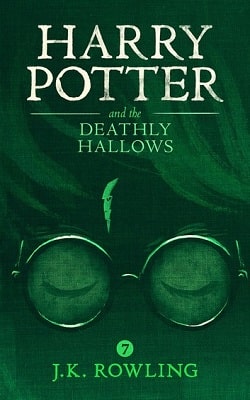
J.K. Rowling's Harry Potter and the Deathly Hallows, the seventh and final installment in the Harry Potter series, is a masterful conclusion that ties together the intricate threads woven throughout the previous books. This novel is a testament to Rowling's prowess as a storyteller, offering a narrative that is both emotionally resonant and intellectually satisfying. The book is a tour de force that explores themes of sacrifice, loyalty, and the eternal struggle between good and evil, all while providing a fitting end to the beloved series.
At its core, Harry Potter and the Deathly Hallows is a hero's journey. Harry, now on the cusp of adulthood, is tasked with the monumental challenge of destroying the Horcruxes—fragments of Voldemort's soul hidden in various objects. This quest is not just a physical journey but also a deeply personal one, marking Harry's transition from boyhood to manhood. The stakes are higher than ever, and the dangers more palpable, as Harry faces threats from the Death Eaters and Voldemort himself, as well as the internal struggle of maintaining faith in his mission and himself.
Rowling's ability to craft complex characters is on full display in this novel. Harry's development is profound; he is no longer the wide-eyed boy from The Philosopher's Stone but a young man burdened with the weight of the world. His relationships with Hermione and Ron are tested to their limits, showcasing the depth of their friendship and the strength of their bond. Hermione's intelligence and resourcefulness shine through, while Ron's loyalty and courage are put to the ultimate test. The trio's dynamic is a cornerstone of the series, and it is beautifully explored in this final chapter.
One of the most compelling aspects of the book is its exploration of moral ambiguity. Characters like Severus Snape and Albus Dumbledore are given new dimensions, challenging readers' perceptions and forcing them to reconsider previous judgments. Snape, in particular, emerges as one of the most complex characters in the series, his true motivations and loyalties revealed in a way that is both surprising and deeply moving. Dumbledore's past is also brought to light, adding layers to his character and highlighting the theme of redemption.
The novel's themes are universal and timeless. The struggle between good and evil is a central motif, but Rowling delves deeper, examining the choices that define us. Dumbledore's warning about choosing "what is right and what is easy" resonates throughout the narrative, as characters are faced with difficult decisions that test their integrity and courage. The theme of sacrifice is also prevalent, with characters making profound personal sacrifices for the greater good. These themes are not only relevant to the fictional world of Harry Potter but also offer valuable lessons for readers of all ages.
Rowling's writing is as enchanting as ever, her prose vivid and evocative. The pacing of the novel is expertly handled, with moments of intense action balanced by quieter, introspective scenes. The battles are epic in scope, yet it is the emotional depth of the characters that leaves a lasting impact. The book is filled with moments of triumph and tragedy, joy and sorrow, culminating in a conclusion that is both satisfying and bittersweet.
Comparatively, Rowling's work stands alongside other great fantasy series, such as J.R.R. Tolkien's The Lord of the Rings and C.S. Lewis's The Chronicles of Narnia. Like Tolkien and Lewis, Rowling has created a rich, immersive world that captivates readers and invites them to explore its depths. Her ability to blend fantasy with real-world themes sets her apart, making the Harry Potter series not just a collection of children's books but a cultural phenomenon that resonates with readers of all ages.
The impact of Harry Potter and the Deathly Hallows extends beyond the pages of the book. It has inspired a generation of readers, fostering a love of literature and sparking discussions about the nature of heroism, friendship, and morality. The series has also had a significant influence on popular culture, with its themes and characters becoming iconic symbols of courage and resilience.
In conclusion, Harry Potter and the Deathly Hallows is a fitting end to a remarkable series. It is a book that challenges, inspires, and entertains, leaving readers with a sense of fulfillment and a touch of melancholy. Rowling has crafted a narrative that is both a thrilling adventure and a profound exploration of the human condition. As readers turn the final page, they are left with the knowledge that while Harry's story may have ended, its impact will endure for generations to come.