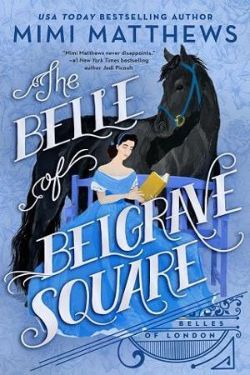
Mimi Matthews' novel, The Belle of Belgrave Square, is a captivating journey into the heart of Victorian England, where societal norms and personal desires often clash in a dance as intricate as any waltz in a London ballroom. The story centers around Julia Wychwood, a London heiress whose social anxiety makes her feel like an outsider in her own world. Matthews skillfully crafts Julia's character, making her both relatable and endearing, particularly to readers who have ever felt out of place in social settings.
Julia finds solace in the freedom of horseback riding, a passion that sets her apart from the typical Victorian heroine. Her love for riding is not just a hobby but a metaphor for her desire for independence and control over her own life. This theme of freedom versus societal expectation is a thread that Matthews weaves throughout the narrative, creating a rich tapestry of conflict and resolution.
Enter Captain Jasper Blunt, a character shrouded in mystery and rumors. Matthews paints him as the quintessential brooding hero, reminiscent of Mr. Rochester from Charlotte Brontë's Jane Eyre. His haunted estate in Yorkshire and the whispers of his past add layers of intrigue and suspense to the plot. Jasper's need for a wealthy wife to restore his estate aligns perfectly with Julia's desire to escape the confines of her social world, setting the stage for a marriage of convenience that is anything but conventional.
The dynamic between Julia and Jasper is where Matthews truly shines. Their relationship evolves from a business arrangement to a deeper connection, driven by mutual respect and curiosity. Julia's initial proposal to Jasper is a bold move that defies the expectations of her time, showcasing her inner strength and determination. As the story progresses, Julia's character development is both believable and satisfying. She transforms from a timid young woman into a confident individual who is unafraid to confront the mysteries surrounding her husband.
Matthews' writing style is both elegant and accessible, capturing the essence of the Victorian era while making it relatable to modern readers. Her attention to detail in describing the settings, from the opulent ballrooms of London to the rugged beauty of the Yorkshire countryside, immerses the reader in the world she has created. The dialogue is sharp and often laced with wit, providing moments of levity amidst the tension and drama.
Emotionally, The Belle of Belgrave Square resonates deeply. Matthews explores themes of love, trust, and redemption with a deft touch, ensuring that the emotional arcs of her characters are as compelling as the plot itself. The novel's exploration of social anxiety and the pressure to conform to societal norms is particularly poignant, offering a nuanced perspective on the struggles faced by those who feel different.
Comparisons to other works in the historical romance genre are inevitable, yet Matthews manages to carve out her own niche. Her ability to blend romance with elements of mystery and suspense sets her apart from contemporaries like Julia Quinn or Lisa Kleypas. While the novel pays homage to classic Gothic romances, it also subverts some of their tropes, offering fresh takes on familiar themes.
In conclusion, The Belle of Belgrave Square is a masterful addition to Mimi Matthews' repertoire, offering a compelling blend of romance, mystery, and historical intrigue. The novel's rich character development, engaging plot, and emotional depth make it a must-read for fans of historical romance and those who appreciate a well-crafted story of love and self-discovery. Matthews' ability to create a world that feels both authentic and enchanting ensures that readers will be captivated from the first page to the last.