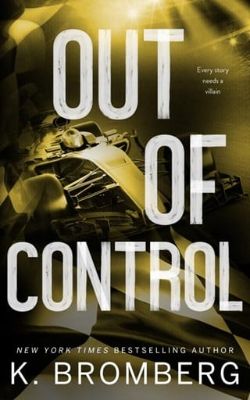
K. Bromberg’s novel, Out of Control, is a poignant exploration of trauma, love, and redemption, set against the backdrop of a small town where the past refuses to stay buried. This contemporary romance delves deep into the psyche of its protagonist, a war veteran grappling with the aftermath of his experiences, and offers a compelling narrative that intertwines themes of pain, healing, and the transformative power of love.
At the heart of Out of Control is the character of the unnamed protagonist, a man whose life has been overshadowed by the specter of death. Bromberg crafts a deeply introspective and nuanced portrayal of a person who has survived the horrors of war only to find himself imprisoned by the psychological scars it left behind. His reclusive existence is a testament to the debilitating effects of trauma, and the author skillfully captures his internal struggle with vivid, evocative prose. The protagonist’s journey is one of gradual awakening, as he confronts his fears and learns to open himself up to the possibility of love and connection.
Gwendolyn Pierce, the female lead, is a character who brings both tension and hope into the protagonist’s life. Her reappearance is not just a reminder of past mistakes but also a catalyst for change. Bromberg paints Gwen as a strong, resilient woman who has her own share of burdens to bear. Her initial animosity towards the protagonist is palpable, yet as the story unfolds, the layers of their shared history are peeled back, revealing a complex relationship marked by regret, forgiveness, and ultimately, redemption. The chemistry between the two is electric, and their evolving relationship is depicted with a sensitivity that resonates deeply with the reader.
The writing style in Out of Control is both lyrical and raw, capturing the emotional intensity of the characters’ experiences. Bromberg’s prose is imbued with a sense of immediacy that draws the reader into the protagonist’s world, making his pain and struggles feel visceral and real. The author’s ability to convey the intricacies of human emotion is reminiscent of the works of Nicholas Sparks, where love and loss are intricately intertwined. Yet, Bromberg’s narrative voice is distinct, offering a fresh perspective on familiar themes.
One of the major themes in Out of Control is the idea of isolation versus connection. The protagonist’s self-imposed exile is a defense mechanism, a way to shield himself from further hurt. However, the novel suggests that true healing can only occur through connection with others. This theme is explored through the protagonist’s interactions with Gwen and his daughter, highlighting the importance of relationships in overcoming personal demons. The novel also touches on the theme of redemption, as both main characters seek to atone for past mistakes and find a sense of peace.
The emotional impact of Out of Control is profound, as Bromberg deftly navigates the complexities of love and loss. The novel’s exploration of PTSD and its effects on both the individual and their loved ones is handled with sensitivity and insight. Readers who have experienced similar struggles may find solace in the protagonist’s journey, while others will gain a deeper understanding of the challenges faced by those dealing with trauma. The book’s emotional depth is comparable to Jojo Moyes’ Me Before You, where the characters’ emotional arcs are central to the narrative’s impact.
In conclusion, K. Bromberg’s Out of Control is a beautifully crafted tale of love, redemption, and the enduring power of human connection. The novel’s richly developed characters, evocative writing style, and exploration of profound themes make it a standout in the contemporary romance genre. Bromberg’s ability to weave a narrative that is both heart-wrenching and hopeful ensures that readers will be captivated from beginning to end. For those seeking a story that delves into the depths of the human experience and emerges with a message of hope, Out of Control is a must-read.