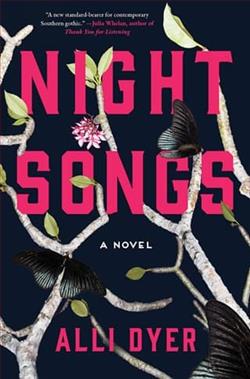
Alli Dyer's Night Songs is a captivating exploration of family legacy, the haunting power of music, and the mysterious threads that bind generations. This novel, set against the evocative backdrop of Nashville's country music scene, deftly intertwines the past and present through the lives of Rhea and her enigmatic mother, Lulabelle "Belle" Powers. As a family saga, it delves into the complexities of inheritance, both material and metaphysical, and the burdens that come with it.
At the heart of Night Songs is the theme of inheritance. Rhea's journey begins with the startling revelation of her mother's identity as a legendary country star, a discovery that sets her on a path to uncover the truths hidden in her family's past. The novel skillfully portrays the weight of this inheritance—not just the sprawling estate and the fame that comes with it, but the darker legacy of a supposed curse. This curse, believed to doom the women in Rhea's family to die at thirty-three, adds a layer of suspense and urgency to the narrative. Dyer uses this element to explore how family myths and superstitions can shape one's identity and choices, a theme reminiscent of works by authors like Alice Hoffman, who often weave magical realism into family narratives.
Character development is another strong suit of Dyer's writing. Rhea is a compelling protagonist, her journey from ignorance to understanding marked by a genuine emotional depth. Her initial curiosity about her mother gradually transforms into a desperate quest for survival as she approaches her own thirty-third birthday. The dual narrative structure allows readers to experience Belle's rise to fame and her struggles, creating a poignant parallel between mother and daughter. Belle's character, though seen through the lens of Rhea's discoveries, is vividly brought to life through her music and the memories of those who knew her. This dual perspective enriches the narrative, offering insights into the sacrifices and triumphs that defined Belle's life.
Dyer's writing style is both lyrical and engaging, capturing the essence of the country music world with authenticity and flair. Her descriptions of Nashville are vivid, painting a picture of a city steeped in musical history and culture. The novel's pacing is well-balanced, with moments of introspection seamlessly interwoven with suspenseful revelations. Dyer's prose is reminiscent of Kristin Hannah's ability to evoke emotion through richly detailed storytelling, making Night Songs a deeply immersive read.
The emotional impact of Night Songs is profound, as it delves into themes of resilience and connection. Rhea's journey is not just about breaking a curse but also about finding her own voice and place in the world. The power of music as a unifying force is a recurring motif, illustrating how songs can transcend time and connect people across generations. This theme is beautifully encapsulated in the discovery of Belle's unpublished album, which serves as a bridge between past and present, offering Rhea a deeper understanding of her mother and herself.
In comparison to other family sagas, Night Songs stands out for its unique blend of mystery and music. The novel's exploration of a familial curse echoes the gothic undertones found in works by authors like Sarah Addison Allen, yet it remains grounded in the emotional realities of its characters. Dyer's ability to balance these elements makes the story both intriguing and relatable, appealing to readers who enjoy a mix of suspense, drama, and heartfelt storytelling.
Overall, Alli Dyer's Night Songs is a masterful addition to the genre of family sagas, offering a fresh take on themes of legacy and identity. Its rich character development, evocative setting, and emotional depth make it a compelling read for anyone interested in the power of music and the enduring bonds of family. Whether you're a fan of country music or simply enjoy a well-crafted tale of personal discovery, Night Songs is sure to resonate long after the final page is turned.