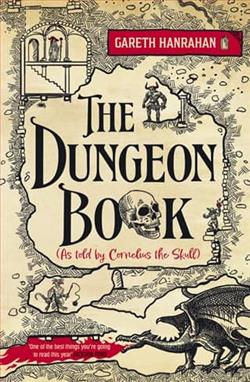
Gareth Hanrahan's The Dungeon Book is a captivating foray into a world teeming with fantastical creatures and intricate lore. This novel, set in a realm where dungeons and dragons coexist with magic and mythical beasts, offers a fresh perspective on the fantasy genre. Hanrahan, known for his ability to weave complex narratives, delivers a story that is both enchanting and thought-provoking.
The protagonist, Bait, is an intriguing character whose journey from a nameless infant to a young woman raised by the denizens of a dungeon is both unique and compelling. Her upbringing among goblins, a minotaur, and other creatures of the dark creates a fascinating backdrop for her character development. Bait's evolution is marked by her interactions with these creatures, each imparting wisdom and skills that shape her identity. The author skillfully portrays her internal conflict as she grapples with her monstrous upbringing and the encroaching influence of the outside world.
Hanrahan's writing style is richly descriptive, immersing readers in the labyrinthine corridors of the dungeon. His ability to paint vivid images with words is reminiscent of classic fantasy authors like J.R.R. Tolkien and Ursula K. Le Guin. The dungeon itself is a character, with its haunted halls and forgotten magics providing a mysterious and often foreboding atmosphere. The author's attention to detail in crafting this setting is evident, making it a living, breathing entity that influences the narrative as much as any character.
The themes explored in The Dungeon Book are multifaceted and resonate on several levels. At its core, the novel examines the concept of identity and belonging. Bait's struggle to find her place in a world that views her as monstrous is a poignant reflection on the human condition. Hanrahan delves into the idea of what it means to be a monster, challenging readers to question their own perceptions of good and evil. This theme is further enriched by the diverse cast of characters, each representing different facets of monstrosity and humanity.
Emotionally, the book is a rollercoaster, with moments of tension, humor, and heartbreak. Hanrahan deftly balances these elements, ensuring that the narrative remains engaging and dynamic. The relationship between Bait and her adopted family is particularly touching, highlighting the bonds that can form in the most unlikely of circumstances. The author’s exploration of these relationships adds depth to the story, making it not just a tale of adventure, but also one of love and loyalty.
Comparatively, The Dungeon Book shares thematic similarities with works like Neil Gaiman's Neverwhere and Patrick Rothfuss's The Name of the Wind. Like Gaiman, Hanrahan creates a world beneath the surface, filled with wonder and danger, while his character-driven narrative echoes Rothfuss's focus on personal growth and discovery. However, Hanrahan's unique voice and inventive world-building set this novel apart, offering a fresh take on familiar tropes.
For fans of the fantasy genre, The Dungeon Book is a must-read. Gareth Hanrahan has crafted a story that is both entertaining and intellectually stimulating, with a protagonist who defies convention and challenges readers to reconsider their understanding of heroism and monstrosity. The novel's blend of adventure, magic, and introspection ensures that it will appeal to a wide audience, from those seeking an epic fantasy tale to those looking for a deeper exploration of character and theme.
In conclusion, The Dungeon Book by Gareth Hanrahan is a masterful addition to the fantasy genre. Its rich world-building, complex characters, and thought-provoking themes make it a standout work that will linger in the minds of readers long after the final page is turned. Whether you are a seasoned fantasy aficionado or new to the genre, this novel promises an unforgettable journey into the heart of a dungeon where the lines between monster and human blur, and the true nature of identity is revealed.