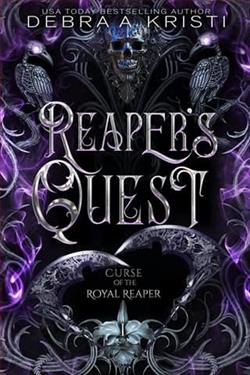
Debra A. Kristi's "Reaper's Quest" is a captivating entry into the realm of adult romantasy, a genre that skillfully blends romance, fantasy, and the darker elements of storytelling. This novel, the first in a series, introduces readers to a world where reapers are not just mythological figures but complex characters with intricate relationships and daunting tasks. The story centers around Raven Gunn and Chace Badden, two rival reapers thrust into a partnership fraught with tension, secrets, and a century's worth of overdue souls.
The major themes of "Reaper's Quest" revolve around trust, rivalry, and the blurred lines between duty and personal desires. Raven and Chace are both burdened by their pasts and the expectations placed upon them by their families. Raven's internal conflict is particularly compelling as she grapples with the guilt of her previous actions and the temptation of using a prohibited reaper-tool. This tool, a symbol of her past mistakes, serves as a constant reminder of her fallibility and the thin line she walks between right and wrong.
Chace Badden, on the other hand, embodies the theme of suspicion and protection. His distrust of the Fae and his protective instincts towards Raven add layers to his character, making him a morally gray hero. The tension between Raven and Chace is palpable, and Kristi expertly crafts their interactions to maintain a slow burn that keeps readers engaged. Their rivalry is not just professional but deeply personal, rooted in family legacies and unspoken emotions.
The character development in "Reaper's Quest" is one of its strongest elements. Raven Gunn is a well-rounded protagonist whose journey is both external and internal. Her struggle to maintain professionalism while dealing with her feelings for Chace is relatable and adds depth to her character. Chace, with his angsty demeanor and hidden vulnerabilities, complements Raven perfectly. Their dynamic is reminiscent of classic literary duos where tension and attraction coexist, drawing comparisons to the likes of Elizabeth and Darcy from "Pride and Prejudice," albeit in a much darker setting.
Kristi's writing style is both engaging and immersive, with vivid descriptions that bring the fantastical elements of the story to life. The world-building is intricate, with a well-thought-out reaper society that feels both familiar and unique. The pacing is well-balanced, with action sequences interspersed with moments of introspection and character development. The multiple POVs provide a comprehensive view of the narrative, allowing readers to delve into the minds of both Raven and Chace, enhancing the emotional impact of their journey.
Emotionally, "Reaper's Quest" resonates on several levels. The tension between Raven and Chace is electric, and their evolving relationship is both frustrating and satisfying. Kristi captures the essence of a slow-burn romance, where every glance and touch is charged with meaning. The stakes are high, not just in terms of their mission but also in their personal lives, making the reader invested in their success and happiness.
In comparison to other works in the romantasy genre, "Reaper's Quest" stands out for its mature themes and complex characters. Fans of Sarah J. Maas's "A Court of Thorns and Roses" series will appreciate the blend of romance and fantasy, while those who enjoy the moral complexities of Leigh Bardugo's "Six of Crows" will find similar satisfaction in Kristi's narrative. The book's exploration of forbidden tools and the consequences of their use adds a layer of intrigue that sets it apart from more straightforward fantasy romances.
Overall, "Reaper's Quest" by Debra A. Kristi is a promising start to a series that promises to grow spicier and more intense with each installment. Its exploration of dark themes, combined with a compelling romance and a richly developed world, makes it a must-read for fans of adult romantasy. The novel's ability to balance action, emotion, and character development ensures that it will leave readers eagerly anticipating the next book in the series.