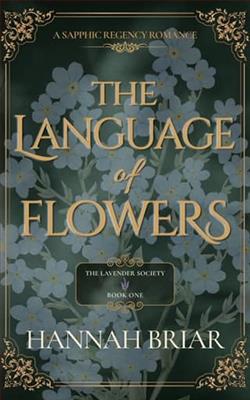
Hannah Briar's novel, The Language of Flowers, is a captivating exploration of resilience, identity, and the intricate bonds formed in the face of adversity. Set against the backdrop of Wyndermere Estate, the story unfolds with a rich tapestry of emotional depth and historical intrigue, drawing readers into a world where the language of flowers becomes a powerful tool for communication and survival.
The novel centers on Eliza Moreton, a young widow who arrives at Wyndermere Estate with little more than a mysterious coded letter and a trunk. Her journey is one of self-discovery and empowerment, as she navigates the complexities of her new life. Briar skillfully crafts Eliza's character, imbuing her with a blend of vulnerability and strength that makes her both relatable and inspiring. Through Eliza's eyes, readers are introduced to a hidden network of women led by Beatrice Ashford, the enigmatic Countess of Wyndermere.
Beatrice is a fascinating character in her own right, embodying the themes of secrecy and liberation that permeate the novel. Her role as the leader of a clandestine society that aids women in distress is both compelling and poignant. Briar's portrayal of Beatrice is nuanced, revealing layers of complexity as the story progresses. The dynamic between Eliza and Beatrice is central to the narrative, evolving from initial wariness to a profound connection that challenges societal norms and personal boundaries.
The novel's use of the language of flowers as a means of communication is both innovative and symbolic. This motif serves as a metaphor for the unspoken bonds between women and the coded messages they share in a world that often silences their voices. Briar's attention to detail in depicting this secret language adds an element of intrigue and depth to the story, inviting readers to delve deeper into the meanings behind each floral reference.
In terms of writing style, Hannah Briar employs a lyrical and evocative prose that enhances the novel's emotional impact. Her descriptive passages bring the setting of Wyndermere Estate to life, painting vivid images of the lush gardens and the serene greenhouse where much of the story unfolds. The author’s ability to weave historical elements with personal narratives creates a rich tapestry that is both immersive and thought-provoking.
Emotionally, The Language of Flowers resonates on multiple levels. It is a story of survival and transformation, exploring the ways in which women support and uplift one another in times of need. The novel's exploration of identity and self-discovery is particularly poignant, as Eliza and Beatrice confront their pasts and forge new paths forward. Briar's sensitive handling of these themes ensures that the emotional arcs of the characters are both believable and impactful.
Comparatively, Briar's work echoes the thematic depth and character-driven narratives found in novels by authors such as Sarah Waters and Kate Morton. Like Waters, Briar delves into the intricacies of female relationships and the societal constraints that shape them. Similarly, her attention to historical detail and atmospheric setting is reminiscent of Morton's storytelling prowess. Yet, Briar's unique voice and perspective set The Language of Flowers apart, offering a fresh take on the historical fiction genre.
Overall, The Language of Flowers by Hannah Briar is a beautifully crafted novel that will appeal to fans of historical fiction and those interested in stories of female empowerment and resilience. Its blend of mystery, romance, and historical intrigue makes it a compelling read that lingers long after the final page. Briar's exploration of the secret language of flowers serves as a poignant reminder of the power of communication and the enduring strength of the human spirit.