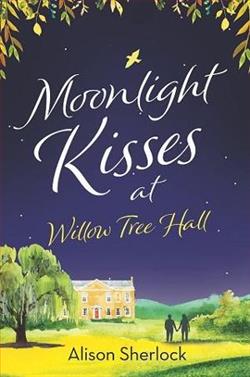
Alison Sherlock's "Moonlight Kisses at Willow Tree Hall" is a delightful foray into the world of contemporary romance, where the quaint charm of a small village meets the complexities of personal reinvention. At its heart, this novel explores themes of second chances, personal growth, and the healing power of community, all wrapped in the comforting embrace of a picturesque English countryside setting.
The protagonist, Lily Harper, is a character many readers will find relatable. Her journey begins with the collapse of her meticulously planned life, a scenario that resonates with anyone who has faced unexpected upheavals. Sherlock skillfully captures Lily's initial disorientation and vulnerability, drawing readers into her emotional landscape. As Lily returns to her childhood village and takes up the role of a housekeeper at Willow Tree Hall, the narrative unfolds with a sense of authenticity and warmth.
Willow Tree Hall itself is more than just a backdrop; it is a character in its own right. The hall's grand yet welcoming presence mirrors the novel's central theme of finding solace and new beginnings in familiar places. Sherlock's descriptive prowess shines as she paints vivid images of the hall and its surroundings, inviting readers to lose themselves in its enchanting atmosphere. This setting serves as the perfect canvas for Lily's transformation and the rekindling of past relationships.
One of the novel's most compelling elements is the reintroduction of Jack Carter, Lily's old flame. The tension between Lily and Jack is palpable from their first encounter, and Sherlock deftly navigates their complicated history. The author avoids the pitfalls of predictable romance by infusing their interactions with genuine emotion and unresolved tension. Jack's character is layered, and his journey towards redemption is as integral to the story as Lily's path to self-discovery.
The theme of second chances is woven throughout the narrative, not just in terms of romance but also in personal growth and community connections. Lily's role in organizing the Willow Tree Hall summer fete becomes a metaphor for rebuilding her life. As she immerses herself in the task, she rediscovers her passion and competence, proving that sometimes the path to healing is found in the most unexpected places. The fete itself is a celebration of community spirit, highlighting the importance of coming together and supporting one another.
Alison Sherlock's writing style is both engaging and accessible, making "Moonlight Kisses at Willow Tree Hall" a pleasure to read. Her prose is imbued with warmth and humor, striking a balance between lighthearted moments and deeper emotional reflections. The dialogue is crisp and believable, capturing the nuances of small-town life and the intricacies of rekindled relationships. Fans of authors like Jill Mansell and Katie Fforde will find Sherlock's style familiar yet refreshingly unique.
Emotionally, the novel resonates on multiple levels. Lily's journey from heartbreak to healing is portrayed with sensitivity and insight. Sherlock does not shy away from exploring the complexities of forgiveness and trust, making Lily's eventual reconciliation with Jack all the more poignant. The emotional impact is further enhanced by the strong sense of place and community, which serves as a reminder of the power of belonging and acceptance.
In conclusion, "Moonlight Kisses at Willow Tree Hall" is a charming and heartfelt addition to the contemporary romance genre. Alison Sherlock has crafted a story that is both comforting and thought-provoking, offering readers a chance to escape into a world where love and second chances are always within reach. The novel's rich themes, well-developed characters, and evocative setting make it a must-read for anyone seeking a story that celebrates the beauty of starting over and the magic of finding love in unexpected places.