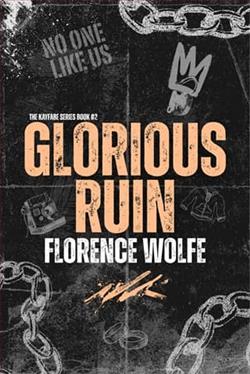
Florence Wolfe's Glorious Ruin is a compelling exploration of identity, power, and defiance set against the backdrop of the high-stakes world of professional wrestling. This novel is not just a tale of physical battles in the ring but a profound examination of the emotional and psychological conflicts that arise when personal truth clashes with public expectation. Wolfe's narrative is a masterful blend of gritty realism and emotional depth, making it a standout in the sports drama genre.
At the heart of Glorious Ruin is Callum Kincaid, known to fans as Deadlock, a character who embodies the duality of strength and vulnerability. Wolfe crafts Callum with a complexity that is both engaging and relatable. His journey is one of self-discovery and rebellion against the confines of an industry that demands conformity. Through Callum, Wolfe delves into themes of imposter syndrome and the struggle for authenticity in a world that prizes spectacle over substance. His relationship with Silas Reed, the "Timeless" golden boy, adds layers to his character, revealing a softer side that contrasts with his public persona.
Silas Reed serves as both a catalyst and a counterpart to Callum's journey. As the new face of the UWF, Silas represents the future of the industry, yet he is also caught in the same web of expectations and deceit. Wolfe skillfully uses their bond to explore themes of loyalty, love, and the cost of hiding one's true self. The tension between their private devotion and public personas is palpable, driving the narrative forward with a sense of urgency and inevitability.
Wolfe's writing style is both dynamic and evocative, capturing the intensity of the wrestling world with vivid detail. Her prose is sharp and precise, mirroring the physicality of the sport while also delving into the emotional landscapes of her characters. The dialogue is crisp and authentic, reflecting the camaraderie and conflict inherent in the wrestling community. Wolfe's ability to balance action with introspection sets Glorious Ruin apart from other sports dramas, offering readers a nuanced portrayal of the human experience within the spectacle of wrestling.
The emotional impact of Glorious Ruin is profound, as Wolfe invites readers to question the nature of success and the sacrifices made in its pursuit. The novel's exploration of identity and self-acceptance resonates on a universal level, making it a powerful read for anyone who has ever felt the pressure to conform. Wolfe's portrayal of Callum's defiance against a system that seeks to silence him is both inspiring and thought-provoking, challenging readers to consider their own battles for authenticity.
In comparison to other works in the genre, Glorious Ruin stands out for its depth and emotional resonance. While it shares thematic elements with novels like Chad Harbach's The Art of Fielding or Don DeLillo's End Zone, Wolfe's focus on the personal stakes within the wrestling world offers a fresh perspective. Her ability to weave together the physical and emotional aspects of the sport creates a narrative that is both thrilling and introspective.
Overall, Florence Wolfe's Glorious Ruin is a triumph of storytelling, offering a rich and layered narrative that will captivate readers from start to finish. Its exploration of identity, power, and defiance is both timely and timeless, making it a must-read for fans of sports dramas and character-driven fiction alike. Wolfe's nuanced portrayal of the wrestling world and the individuals who inhabit it ensures that Glorious Ruin will leave a lasting impression on its audience, inviting them to reflect on their own journeys toward self-discovery and authenticity.