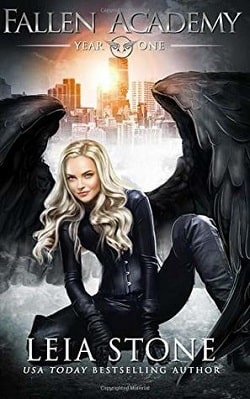
In Fallen Academy: Year One, Leia Stone introduces readers to a captivating world where the lines between good and evil blur, and the stakes are as high as the heavens themselves. The story centers around Brielle Atwater, a young woman grappling with her identity in a universe where angels and demons vie for dominance over humanity. The premise is intriguing, and Stone's execution of this supernatural narrative is both engaging and thought-provoking.
The novel opens with Brielle's awakening ceremony, a pivotal moment that sets the tone for her journey. As she sprouts wings, she initially believes she is destined to be an angel blessed celestial. However, the revelation of her black wings shatters her expectations and thrusts her into a world of uncertainty. This twist is not just a plot device; it serves as a metaphor for the struggles of self-acceptance and the quest for identity that many young adults face. Brielle's internal conflict is palpable, and readers will find themselves empathizing with her plight as she navigates the complexities of her new reality.
One of the standout themes in Fallen Academy: Year One is the concept of choice and consequence. Brielle's decision to sell her soul to save her father's life looms over her, a constant reminder of the sacrifices made for love and loyalty. This theme resonates deeply, as it reflects the often difficult choices individuals must make in their lives, and the repercussions that follow. Stone skillfully weaves this theme throughout the narrative, prompting readers to reflect on their own choices and the moral dilemmas they face.
The character development in the novel is commendable. Brielle is a relatable protagonist, embodying both strength and vulnerability. Her journey from confusion to empowerment is well-crafted, and her interactions with other characters, particularly Lincoln Grey, add depth to her evolution. Lincoln, the enigmatic celestial teacher, is initially portrayed as a typical brooding love interest, but as the story unfolds, his character reveals layers of complexity. Their dynamic is charged with tension, and the push-and-pull of their relationship is both frustrating and exhilarating. Stone captures the essence of young love—its intensity, confusion, and the thrill of discovery—making their connection feel authentic and compelling.
Moreover, the supporting characters enrich the narrative, each bringing their own unique perspectives and challenges. From the antagonistic Abrus demon to the diverse cast of students at Fallen Academy, Stone populates her world with individuals who reflect the broader themes of the story. The interactions among these characters serve to highlight the varying responses to the angel-demon conflict, showcasing the spectrum of morality and the gray areas that exist within it.
The world-building in Fallen Academy: Year One is another strong point. Stone creates a vivid and immersive setting that feels both fantastical and relatable. Angel City, with its ethereal beauty and underlying dangers, serves as a perfect backdrop for Brielle's journey. The descriptions of the academy, the rituals, and the societal structure of this supernatural world are rich and detailed, allowing readers to fully immerse themselves in the narrative. Stone's ability to blend elements of fantasy with real-world issues enhances the story's impact, making it resonate on multiple levels.
However, the novel is not without its flaws. At times, the pacing can feel uneven, particularly in the middle sections where the plot seems to meander. Some readers may find certain tropes familiar, especially in the young adult fantasy genre. Yet, Stone's engaging writing style and the emotional depth of her characters often compensate for these shortcomings, keeping the reader invested in Brielle's journey.
In comparison to other works in the genre, Fallen Academy: Year One shares thematic similarities with series like Shadowhunters by Cassandra Clare and Fallen by Lauren Kate. Both series explore the complexities of love and identity within a supernatural framework, but Stone's narrative stands out due to its focus on the consequences of choice and the moral ambiguity of its characters. The blend of romance, action, and self-discovery makes this book a compelling read for fans of the genre.
Overall, Fallen Academy: Year One is a promising start to a series that explores profound themes through the lens of fantasy. Leia Stone has crafted a narrative that is both entertaining and thought-provoking, inviting readers to reflect on their own choices and the nature of good and evil. With well-developed characters, a richly imagined world, and a gripping plot, this book is sure to captivate young adult readers and fantasy enthusiasts alike. As Brielle's journey unfolds, readers will be left eager to discover what lies ahead in her quest for identity and acceptance.