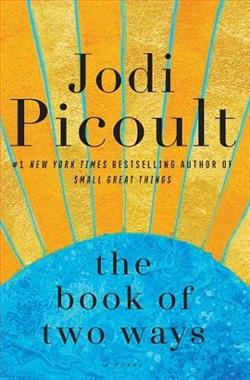
Jodi Picoult's The Book of Two Ways is a thought-provoking exploration of life's pivotal choices and their profound impacts. Known for her ability to weave intricate narratives that delve into human emotions and ethical dilemmas, Picoult once again captivates readers with a story that is both intellectually stimulating and emotionally resonant. This novel, a blend of contemporary fiction and philosophical inquiry, invites readers to ponder the paths not taken and the lives we might have led.
The protagonist, Dawn Edelstein, is a character whose life is suddenly thrown into disarray following a near-death experience. The novel opens with a gripping scene of a plane crash, a moment that serves as a catalyst for Dawn's introspection. The immediacy of the crash landing is vividly portrayed, setting the stage for the dual narrative that follows. As Dawn grapples with the aftermath, Picoult expertly unravels her past and present, juxtaposing her life in Boston with her husband Brian and daughter, against the life she left behind in Egypt with Wyatt Armstrong, an archaeologist and former love.
Picoult's exploration of themes such as fate, choice, and the nature of a life well-lived is both profound and accessible. The title itself, The Book of Two Ways, refers to an ancient Egyptian funerary text that maps the journey to the afterlife, symbolizing the dual paths Dawn must navigate. This metaphor is skillfully interwoven throughout the narrative, prompting readers to reflect on their own life choices and the roads not taken. The novel raises compelling questions about destiny and free will, encouraging a deeper examination of how our decisions shape our identities.
The character development in The Book of Two Ways is nuanced and multifaceted. Dawn is portrayed with depth and authenticity, her internal conflicts and desires rendered with empathy and insight. As a death doula, her profession adds another layer to her character, providing a unique lens through which she views life and death. Picoult's portrayal of Dawn's relationships, particularly with Brian and Wyatt, is intricate and realistic, capturing the complexities of love, loyalty, and regret. The supporting characters, though not as deeply explored, serve to enrich the narrative and highlight Dawn's internal struggles.
Picoult's writing style is both lyrical and precise, balancing detailed descriptions with introspective passages. Her ability to seamlessly blend scientific and historical elements with personal drama is reminiscent of authors like Kate Morton and Kristin Hannah. The novel's structure, alternating between Dawn's life in Boston and her past in Egypt, is executed with clarity and purpose, maintaining a steady narrative pace that keeps readers engaged. The detailed depiction of Egyptian archaeology and the meticulous research evident in the narrative add an educational dimension, enhancing the story's authenticity and depth.
The emotional impact of The Book of Two Ways is significant, as Picoult deftly navigates themes of mortality and legacy. The novel's exploration of what it means to live a meaningful life is both poignant and inspiring, resonating with readers long after the final page. Dawn's journey is one of self-discovery and redemption, a testament to the resilience of the human spirit and the enduring power of love. The emotional weight of her decisions and the potential for new beginnings are conveyed with sensitivity and grace.
In comparison to other works in the genre, The Book of Two Ways stands out for its intellectual depth and emotional richness. Picoult's ability to tackle complex themes with sensitivity and insight places her among the ranks of authors like Barbara Kingsolver and Ann Patchett, who similarly explore the intricacies of human relationships and moral dilemmas. The novel's dual narrative structure and exploration of alternate realities also draw parallels to works like The Night Circus by Erin Morgenstern, where the interplay of choice and destiny is central to the story.
Overall, Jodi Picoult's The Book of Two Ways is a compelling and thought-provoking novel that challenges readers to consider the impact of their choices and the paths they choose to follow. With its rich character development, engaging narrative, and profound thematic exploration, it is a must-read for fans of contemporary fiction and those who appreciate stories that delve into the complexities of life and love. This novel is a testament to Picoult's skill as a storyteller, offering a narrative that is both intellectually engaging and emotionally fulfilling.