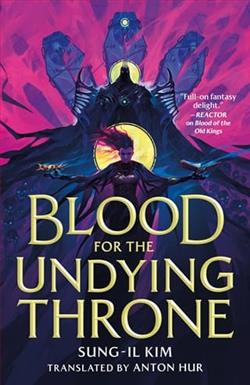
"Blood for the Undying Throne" by Sung-il Kim, translated by Anton Hur, is a masterful continuation of the epic fantasy saga that began with "Blood of the Old Kings." This sequel not only expands on the rich world-building and intricate plotlines of its predecessor but also delves deeper into the moral complexities and personal struggles of its characters. Sung-il Kim's narrative prowess shines through as he weaves a tale that is both grand in scope and intimate in its emotional depth.
At the heart of "Blood for the Undying Throne" is the theme of resistance against tyranny. The Empire, with its insatiable hunger for conquest, serves as a formidable antagonist, powered by the corpses of sorcerers and driven by an unyielding desire for domination. This theme is reminiscent of classic fantasy narratives where oppressive regimes are challenged by unlikely heroes, drawing parallels to works like J.R.R. Tolkien's "The Lord of the Rings" and George R.R. Martin's "A Song of Ice and Fire." However, Kim's approach is uniquely his own, infusing Korean cultural elements and philosophical musings that add layers of complexity to the narrative.
The character development in "Blood for the Undying Throne" is particularly noteworthy. Emere, once a charismatic leader, finds himself reduced to a mere pawn in the political machinations of the Imperial Capital. His journey from a figure of power to one of vulnerability is handled with nuance, reflecting the harsh realities of political life and the personal sacrifices it demands. Emere's internal struggle and quest for redemption are compelling, drawing readers into his world of intrigue and danger.
Arienne's storyline offers a fascinating exploration of discovery and revelation. Her quest to uncover the secrets of the Star of Mersia leads her to unexpected truths about the past and the present. Arienne's character is a testament to resilience and curiosity, embodying the spirit of adventure that drives the narrative forward. Her interactions with the remnants of Mersia provide poignant insights into the consequences of war and the enduring hope for renewal.
The historical narrative of Yuma, set one hundred and seventy years prior, adds a rich tapestry to the story. Yuma's initial hope in the Empire as a savior from the Grim King Eldred's tyranny is a tragic reminder of the unintended consequences of alliances. Her story serves as a cautionary tale about the complexities of power and the often-overlooked costs of liberation. Kim's ability to intertwine these timelines enhances the depth of the novel, creating a multi-layered experience that resonates with readers long after the final page.
Sung-il Kim's writing style is both lyrical and precise, capturing the grandeur of epic battles and the quiet moments of introspection with equal skill. The translation by Anton Hur is seamless, preserving the original's poetic quality while making it accessible to a global audience. The prose is vivid and evocative, painting a world that is as beautiful as it is brutal. The pacing is expertly managed, balancing action with reflection, ensuring that the reader is constantly engaged.
Emotionally, "Blood for the Undying Throne" is a rollercoaster. The stakes are high, and the sacrifices are significant, creating a narrative that is as heart-wrenching as it is exhilarating. The characters' struggles with identity, loyalty, and morality are portrayed with authenticity, inviting readers to ponder their own beliefs and values. The novel's emotional impact is profound, leaving a lasting impression that encourages reflection on the nature of power and resistance.
In conclusion, "Blood for the Undying Throne" is a triumph of epic fantasy, offering a rich and immersive experience that will captivate fans of the genre. Sung-il Kim's ability to blend intricate world-building with deep character exploration sets this novel apart, making it a must-read for those seeking a story that challenges and inspires. With its compelling themes, well-drawn characters, and exquisite prose, "Blood for the Undying Throne" cements Sung-il Kim's place as a formidable voice in fantasy literature.