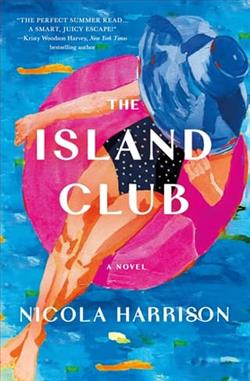
Nicola Harrison's novel, The Island Club, is a captivating exploration of love, friendship, and the secrets that bind us. Set against the picturesque backdrop of Balboa Island in 1956, this novel delves into the lives of three women whose paths intersect in unexpected ways. Through its richly drawn characters and evocative setting, Harrison crafts a narrative that is both engaging and thought-provoking, making it a standout in the genre of historical fiction.
At the heart of The Island Club are three women: Milly Kinkaid, Sylvia Johnson, and Adele Lambert. Each woman is grappling with her own personal struggles, and Harrison deftly weaves their stories together, creating a tapestry of emotional depth and complexity. Milly Kinkaid's story is one of marital strife and the quest for stability. Her move from Hollywood to Balboa Island is a desperate attempt to salvage her marriage, yet she finds herself increasingly isolated as her husband drifts further away. Milly's journey is a poignant exploration of the sacrifices and compromises inherent in relationships, and her character is rendered with a sensitivity that makes her struggles deeply relatable.
Sylvia Johnson, on the other hand, represents the societal pressures and expectations of the era. As a society matriarch, Sylvia is accustomed to a life of privilege and influence. However, when her husband's financial missteps threaten to unravel everything she holds dear, Sylvia is forced to confront the fragility of her carefully constructed world. Harrison's portrayal of Sylvia is both sympathetic and critical, highlighting the often-unseen burdens carried by women of her standing. Sylvia's character arc is a testament to resilience and the power of reinvention, themes that resonate throughout the novel.
Perhaps the most intriguing character is Adele Lambert, a woman shrouded in mystery and haunted by her past. Adele's story is one of redemption and the search for identity. Her return to the game of tennis, which once brought her to her knees, is symbolic of her desire to reclaim her life and confront the secrets that have long defined her. Harrison's depiction of Adele is nuanced and compelling, capturing the internal conflict of a woman torn between fear and the yearning for freedom. Adele's journey is a powerful reminder of the courage required to face one's demons and the liberation that comes from embracing one's true self.
The writing style in The Island Club is both elegant and accessible, with Harrison's prose capturing the essence of the 1950s setting. The sun-drenched beaches of Balboa Island provide a vivid backdrop for the unfolding drama, and Harrison's attention to detail immerses the reader in the era's cultural and social nuances. Her ability to evoke a sense of time and place is reminiscent of authors like Beatriz Williams and Kate Morton, who similarly excel in creating atmospheric historical narratives.
One of the novel's major themes is the power of female friendship. As Milly, Sylvia, and Adele navigate their respective challenges, they find solace and strength in their unlikely bond. Harrison explores the transformative impact of friendship, illustrating how these connections can provide support and empowerment in times of adversity. This theme is handled with a deft touch, avoiding clichés and instead offering a genuine portrayal of the complexities and joys of female relationships.
Another significant theme is the exploration of secrets and the lies we tell ourselves. Each character in The Island Club is grappling with hidden truths, and Harrison skillfully unravels these secrets, revealing the ways in which they shape and define the characters' lives. The novel poses thought-provoking questions about identity and the masks we wear, encouraging readers to reflect on their own experiences and the stories they tell themselves.
Emotionally, The Island Club is a rollercoaster, with moments of heartache, tension, and ultimately, hope. Harrison's ability to evoke empathy and understanding for her characters is one of the novel's greatest strengths. Readers will find themselves invested in the fates of Milly, Sylvia, and Adele, rooting for their triumphs and mourning their losses. The emotional impact of the novel is profound, leaving a lasting impression long after the final page is turned.
In conclusion, Nicola Harrison's The Island Club is a masterful blend of historical fiction and character-driven storytelling. Through its exploration of love, friendship, and the secrets that bind us, the novel offers a rich and rewarding reading experience. Fans of authors like Kristin Hannah and Elin Hilderbrand will find much to admire in Harrison's work, as she deftly balances historical detail with emotional depth. The Island Club is a testament to the enduring power of storytelling and the human spirit, making it a must-read for anyone seeking a novel that is both entertaining and enlightening.