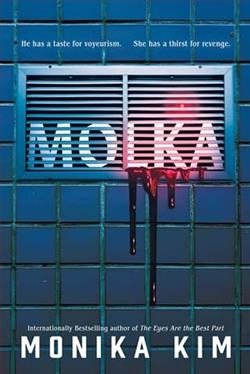
Monika Kim's novel, Molka, is a gripping exploration of voyeurism, scandal, and the intense emotions that drive individuals to the brink of madness. Set against the backdrop of modern Seoul, the story delves into the dark underbelly of a society obsessed with image and power, where hidden cameras capture more than just images—they capture the very essence of human vulnerability and rage.
The book opens with Junyoung, an IT technician whose access to the building's network gives him an omnipresent view of the lives around him. His character is chillingly reminiscent of the voyeurs in Alfred Hitchcock's Rear Window, yet with a modern twist that reflects the pervasive nature of technology in our lives. Junyoung's obsession with the women he surveils is both unsettling and fascinating, as Kim expertly crafts a character who embodies the dangerous allure of power and control. His interactions with Dahye, the novel's protagonist, are particularly compelling, as they reveal the complexities of his character and the depths of his obsession.
Dahye, on the other hand, is a character whose journey is marked by tragedy and a desperate search for love and acceptance. Her yearning for a fairy-tale romance is shattered by the hidden camera scandal, which serves as a catalyst for her transformation. Kim's portrayal of Dahye is both empathetic and raw, capturing the nuances of a woman grappling with loss, betrayal, and the haunting presence of her deceased sister. The emotional depth of Dahye's character is reminiscent of the protagonists in Gillian Flynn's works, where female rage and resilience are central themes.
The theme of voyeurism is central to Molka, and Kim explores it with a deft hand, weaving it seamlessly into the narrative. The hidden cameras serve as a metaphor for the invasive nature of modern technology and the erosion of privacy in contemporary society. This theme is further amplified by the scandal that rocks Seoul's elites, highlighting the pervasive reach of voyeurism and its impact on individuals and communities. Kim's exploration of this theme is both timely and thought-provoking, inviting readers to reflect on their own relationship with technology and privacy.
Another significant theme in the novel is female rage and vengeance. Dahye's journey from a woman seeking love to one seeking justice is a powerful narrative arc that resonates with the #MeToo movement and the broader discourse on women's rights. Kim's portrayal of female rage is unapologetic and empowering, capturing the raw emotions of a woman pushed to her limits. This theme is reminiscent of the works of authors like Margaret Atwood and Naomi Alderman, who similarly explore the complexities of female empowerment and resistance.
Kim's writing style is both lyrical and incisive, capturing the beauty and brutality of Seoul with equal finesse. Her prose is rich with imagery, painting vivid pictures of the city's bustling streets and the intimate spaces of her characters' lives. The narrative is paced with precision, balancing moments of tension with introspective passages that delve into the characters' inner worlds. This balance is reminiscent of Haruki Murakami's works, where the mundane and the surreal coexist in a delicate dance.
The emotional impact of Molka is profound, leaving readers with a lingering sense of unease and introspection. Kim's ability to evoke such strong emotions is a testament to her skill as a storyteller, as she crafts a narrative that is both entertaining and deeply affecting. The novel's exploration of themes such as voyeurism, female rage, and the quest for truth resonates on multiple levels, making it a compelling read for fans of psychological thrillers and literary fiction alike.
In conclusion, Monika Kim's Molka is a masterful exploration of the dark corners of human desire and the lengths to which individuals will go to reclaim their power. With its richly developed characters, intricate themes, and evocative writing style, the novel stands as a testament to Kim's prowess as an author. Readers seeking a thought-provoking and emotionally charged narrative will find much to admire in this provocative journey into the heart of voyeurism and vengeance.