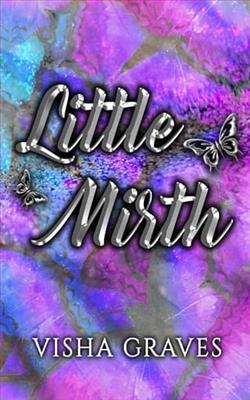
Visha Graves' novel, "Little Mirth," is a captivating exploration of the interplay between light and darkness, both literal and metaphorical, set against the enchanting backdrop of the Wonderhouse Circus. This fantasy novel weaves a tale that is as much about the magic of the circus as it is about the profound emotional journeys of its characters. Graves crafts a world where the extraordinary becomes a stage for the exploration of human emotions, making "Little Mirth" a compelling read for fans of fantasy and literary fiction alike.
At the heart of the story is Joy, the sad Pierrot girl known as Little Mirth, whose unique ability to see and capture the "Joys" that people leave behind forms the crux of the narrative. These tiny, glowing sparks are not just remnants of laughter and shared secrets; they are the lifeblood of the circus, sustaining its magic and allure. Joy's gift, however, is also her curse. She can hold and nurture the light for others, yet she is unable to create any for herself. This paradox sets the stage for a poignant exploration of self-sacrifice and the longing for personal fulfillment.
Graves' writing style is both lyrical and evocative, painting vivid images of the circus's flickering lanterns and the ethereal glow of the captured Joys. Her prose flows with a rhythm that mirrors the ebb and flow of the circus performances, drawing readers into a world where magic feels tangible. The author’s ability to blend fantasy elements with deep emotional resonance is reminiscent of works by Neil Gaiman and Erin Morgenstern, where the fantastical serves as a mirror to the human condition.
The arrival of Milo, a juggler with perfect hands but a hollow soul, introduces a new dynamic to the story. His emptiness resonates with Joy, prompting her to break the circus's oldest rule by giving him one of her precious Joys. This act of defiance and generosity sets off a chain of events that challenges the very foundation of the Wonderhouse Circus. Milo's transformation, as warmth finally blooms within him, is a testament to the power of connection and the risks inherent in vulnerability.
Character development is a standout feature in "Little Mirth." Joy's journey from a passive keeper of light to an active participant in her own destiny is both heart-wrenching and inspiring. Her internal struggle—between clinging to the life she knows and risking everything to illuminate the world—is portrayed with sensitivity and depth. Milo, too, evolves from a figure of emptiness to one of potential, highlighting the transformative power of empathy and shared experiences.
Themes of sacrifice, identity, and the search for meaning permeate the narrative, inviting readers to reflect on their own lives. Joy's inability to create her own light serves as a metaphor for the universal human experience of seeking fulfillment and purpose. The circus, with its insatiable hunger for magic, symbolizes the external pressures that often demand more than one can give. Graves deftly balances these themes, ensuring they resonate without overshadowing the story's magical elements.
Emotionally, "Little Mirth" is a rollercoaster, evoking feelings of wonder, sadness, and hope. The tension between Joy's desire to help others and her need for self-preservation creates a palpable sense of urgency, particularly as a brutal storm threatens to tear the Wonderhouse apart. This impending disaster serves as a catalyst for Joy's ultimate decision, forcing her to confront her deepest fears and desires.
In comparison to other works in the fantasy genre, "Little Mirth" stands out for its introspective approach and richly developed characters. While it shares thematic similarities with novels like "The Night Circus" by Erin Morgenstern, Graves' focus on the internal landscapes of her characters adds a unique layer of depth. The novel's emotional impact is profound, leaving readers with much to ponder long after the final page is turned.
In conclusion, Visha Graves' "Little Mirth" is a beautifully crafted tale that combines the allure of fantasy with the complexity of human emotion. Its exploration of light and darkness, both within and without, offers a poignant reflection on the nature of joy and sacrifice. With its engaging characters, evocative prose, and thought-provoking themes, "Little Mirth" is a must-read for those who appreciate the magic of storytelling and the intricacies of the human heart.