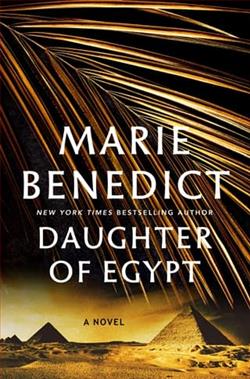
Marie Benedict's "Daughter of Egypt" is a captivating historical fiction novel that intertwines the lives of two extraordinary women separated by millennia. Set against the backdrop of the 1920s and ancient Egypt, the book explores themes of ambition, legacy, and the quest for identity. Benedict, known for her ability to bring historical figures to life, delivers a narrative that is both engaging and thought-provoking, appealing to fans of historical fiction and those intrigued by the mysteries of ancient Egypt.
The novel's dual timeline structure is one of its most compelling aspects. On one hand, we have Lady Evelyn Herbert, a spirited woman of the 1920s who defies societal expectations to pursue her passion for archaeology. Her character is richly developed, and Benedict skillfully portrays Evelyn's internal struggle between familial duty and personal ambition. Evelyn's determination to uncover the secrets of Hatshepsut's tomb is not just a quest for historical discovery but also a journey of self-discovery. Her character is reminiscent of the strong female protagonists found in works by authors like Kate Quinn and Philippa Gregory, who similarly explore the complexities of women's roles in history.
Parallel to Evelyn's story is that of Hatshepsut, the lost pharaoh of Egypt, whose reign was nearly erased from history. Benedict's portrayal of Hatshepsut is both nuanced and respectful, capturing her visionary leadership and the challenges she faced in a patriarchal society. The author delves into Hatshepsut's motivations and the political intrigue of her time, offering readers a glimpse into the life of a woman who dared to defy the norms of her era. The dual narrative allows Benedict to draw intriguing parallels between the two women's lives, highlighting their shared resilience and courage.
The writing style in "Daughter of Egypt" is elegant and immersive, with Benedict's meticulous research evident in the vivid descriptions of both 1920s England and ancient Egypt. Her ability to weave historical detail with fictional elements creates a rich tapestry that transports readers to another time and place. The novel's pacing is well-balanced, with moments of high adventure and tension interspersed with introspective passages that delve into the characters' inner worlds. This blend of action and reflection keeps the reader engaged while providing depth to the narrative.
Emotionally, the novel resonates on multiple levels. Evelyn's relationship with her father, Lord Carnarvon, is particularly poignant, as it explores themes of legacy and the expectations placed upon women by their families. The tension between Evelyn's desire to honor her father's work and her own aspirations adds a layer of complexity to her character. Similarly, Hatshepsut's story is imbued with emotional depth, as Benedict explores the sacrifices she made for her kingdom and the personal costs of her ambition. The emotional impact of the novel is further enhanced by Benedict's skillful use of language, which captures the characters' struggles and triumphs with sensitivity and grace.
In comparison to other works in the historical fiction genre, "Daughter of Egypt" stands out for its focus on lesser-known historical figures and its exploration of women's roles in shaping history. Benedict's novel invites readers to reconsider the narratives of the past and the contributions of women who have been overlooked or forgotten. This theme of rediscovery and reclamation is reminiscent of works by authors like Hilary Mantel, who similarly challenge traditional historical narratives.
Overall, Marie Benedict's "Daughter of Egypt" is a beautifully crafted novel that offers a fresh perspective on two remarkable women from history. Through its engaging storytelling, well-developed characters, and exploration of timeless themes, the book provides a rewarding reading experience for fans of historical fiction and those interested in the mysteries of ancient Egypt. Benedict's ability to breathe life into the past and illuminate the stories of women who changed history makes this novel a valuable addition to the genre.