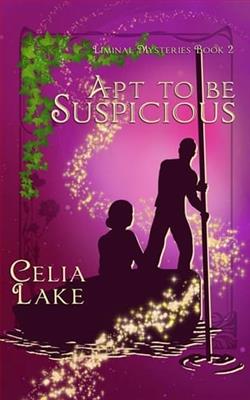
Celia Lake's Apt to be Suspicious is a captivating blend of historical fiction, mystery, and fantasy that immerses readers in the post-World War II atmosphere of Oxford University. Set in the academic year of 1947-1948, this novel is the second installment in the Liminal Mysteries series, yet it stands alone with its unique narrative and richly developed characters.
The story revolves around two protagonists, Edmund and Pen, whose lives intersect in the hallowed halls of Oxford. Edmund is a diligent student, engrossed in his studies of Greats, a demanding course that encompasses the classics. His academic pursuits are compounded by his apprenticeship in two distinct types of magic, a testament to the novel's intriguing fusion of the mundane and the magical. Edmund's character is meticulously crafted, embodying the pressures of post-war expectations and the desire to carve out a future that aligns with his ambitions. His past experiences during the war add layers to his personality, making him a relatable and compelling figure.
Pen, on the other hand, is a character who resonates with many readers due to her struggle with unfulfilled expectations. Her time at Bletchley Park during the war was significant, and now, studying mathematics at Oxford, she finds herself yearning for the intellectual stimulation she once had. Pen's frustration is palpable, and Lake skillfully portrays her quest for purpose and recognition, particularly in her innovative ideas about integrating magic with cryptography. This aspect of the novel is particularly fascinating, as it explores the intersection of logic, mathematics, and the supernatural.
The chemistry between Edmund and Pen is one of the novel's highlights. Their partnership is not only intellectual but also deeply rooted in mutual respect and understanding. As they delve into the mysterious occurrences at Oxford, their dynamic evolves, showcasing Lake's adeptness at character development. The mystery they unravel is intricately woven, with subtle clues and red herrings that keep readers engaged. The narrative is peppered with references to Oxford's unique customs and the era's cultural nuances, adding authenticity and depth to the setting.
One of the novel's most compelling themes is the exploration of identity and belonging in a world that is rapidly changing. Both Edmund and Pen are navigating their places in a society that is still reeling from the aftermath of war. Their journey is emblematic of the broader societal shifts occurring during this period, and Lake captures this transitional phase with sensitivity and insight. The magical elements in the story serve as metaphors for the characters' internal struggles and aspirations, enriching the narrative with layers of meaning.
Lake's prose is elegant and evocative, drawing readers into the world she has meticulously crafted. Her attention to detail is evident in the vivid descriptions of Oxford's architecture, the academic environment, and the subtle integration of magical elements. The novel's pacing is well-balanced, with moments of introspection interspersed with suspenseful developments that propel the story forward.
Comparatively, Apt to be Suspicious shares thematic similarities with other works that blend historical settings with magical realism, such as Susanna Clarke's Jonathan Strange & Mr Norrell. Both authors excel in creating immersive worlds where magic is seamlessly interwoven with historical events. However, Lake's focus on post-war Britain and the academic setting of Oxford offers a fresh perspective that distinguishes her work from others in the genre.
In conclusion, Apt to be Suspicious is a thought-provoking and enchanting novel that will appeal to fans of historical fiction, mystery, and fantasy alike. Celia Lake's ability to craft complex characters and a richly detailed world makes this book a standout in the Liminal Mysteries series. Whether you are drawn to the allure of Oxford, the intrigue of magical mysteries, or the exploration of post-war identity, this novel offers a rewarding and immersive reading experience.