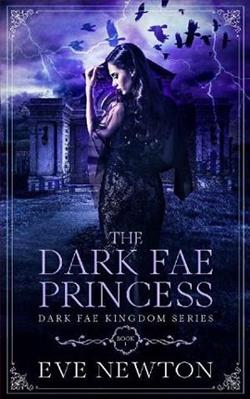
Eve Newton's The Dark Fae Princess is a captivating foray into the world of fantasy, where political intrigue, romance, and the struggle for power intertwine seamlessly. The novel's protagonist, Savannah, is a Princess of the Dark Fae, and her journey is both a personal and political one, as she navigates the complexities of love and leadership. This book is a compelling addition to the fantasy genre, offering readers a rich tapestry of characters and a plot that keeps them engaged from start to finish.
At its core, The Dark Fae Princess explores the theme of identity and the burdens of leadership. Savannah is not just any princess; she is one of the few who could potentially inherit the throne of the Dark Fae Kingdom. Her struggle is not only against external forces but also within herself, as she grapples with the expectations placed upon her by her lineage and her own desires. This internal conflict is a driving force in the narrative, making Savannah a relatable and multi-dimensional character.
The novel's romantic subplot is both intricate and engaging. Savannah finds herself entangled with four very different men, each representing a unique facet of her world. The sweet Vampire challenges her prejudices, the older Dark Fae defies familial expectations, the Light Fae introduces an unexpected twist, and the overlooked man suddenly becomes a significant presence in her life. This romantic quadrangle is not just about love; it is a reflection of Savannah's internal struggle and the choices she must make. Newton skillfully uses these relationships to explore themes of acceptance, prejudice, and the complexity of love.
Character development is one of the novel's strengths. Savannah is a well-rounded character, and her growth throughout the story is both believable and satisfying. She starts as a determined yet somewhat naive princess, and through her experiences, she evolves into a more mature and self-aware leader. The men in her life are also well-developed, each with their own backstories and motivations that add depth to the narrative. The interactions between these characters are dynamic and often charged with tension, keeping readers invested in their outcomes.
The political intrigue in The Dark Fae Princess is another highlight. The impending war with the Light Fae King adds a layer of urgency to the plot, and Savannah's role in this conflict is central to her development as a leader. Newton does an excellent job of weaving together the personal and political, showing how Savannah's decisions impact not only her own life but the fate of her kingdom. The stakes are high, and the tension is palpable, making for a gripping read.
Newton's writing style is both descriptive and immersive, drawing readers into the world of the Dark Fae. The setting is richly detailed, with vivid descriptions that bring the kingdom to life. The author's ability to create a believable and enchanting world is a testament to her skill as a storyteller. The pacing is well-balanced, with moments of introspection interspersed with action-packed sequences that keep the narrative moving forward.
In comparison to other fantasy novels, The Dark Fae Princess stands out for its focus on character-driven storytelling. While it shares similarities with works by authors like Sarah J. Maas and Holly Black, Newton's novel is unique in its exploration of the complexities of love and leadership. The emphasis on Savannah's personal journey, alongside the broader political narrative, sets it apart from other stories in the genre.
Overall, The Dark Fae Princess is a compelling and thought-provoking read that will appeal to fans of fantasy and romance alike. Eve Newton has crafted a story that is both entertaining and meaningful, with themes that resonate long after the final page is turned. Savannah's journey is one of self-discovery and empowerment, and her story is a testament to the strength and resilience of the human spirit. For readers looking for a novel that combines romance, intrigue, and fantasy, The Dark Fae Princess is a must-read.