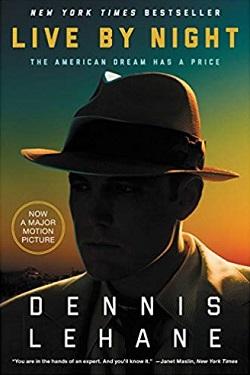
Live by Night, the second installment in Dennis Lehane's Coughlin series, is a masterful exploration of ambition, betrayal, and the moral complexities of a life steeped in crime. Set against the backdrop of the roaring 1920s, this novel immerses readers in a world where the glitz and glamour of the Jazz Age clash with the brutal realities of organized crime and Prohibition. Lehane's narrative is rich with historical detail, creating a vivid tapestry that captures the essence of an era defined by excess and lawlessness.
The protagonist, Joe Coughlin, is a compelling anti-hero whose journey from the son of a Boston police captain to a notorious gangster is both thrilling and tragic. Joe's character development is one of the novel's strongest aspects. Initially introduced as a rebellious young man who rejects his father's rigid moral code, Joe evolves into a complex figure who grapples with the consequences of his choices. His ambition drives him to rise through the ranks of the criminal underworld, but it also leads him to confront the darker aspects of his nature and the world around him.
Lehane's portrayal of Joe's relationships adds depth to the narrative. The cast of characters surrounding Joe is diverse and richly drawn, from loyal friends to treacherous enemies. Each character serves to illuminate different facets of Joe's personality and the moral ambiguities of his life. The women in Joe's life, particularly the sultry and enigmatic Graciela, are not mere plot devices; they are fully realized individuals with their own desires and motivations. Their interactions with Joe highlight the themes of love, loyalty, and betrayal that permeate the story.
One of the most striking elements of Live by Night is its exploration of the American Dream, particularly as it pertains to the marginalized and the disenfranchised. Joe's pursuit of wealth and power is set against a backdrop of societal upheaval, where the promise of prosperity is often overshadowed by violence and corruption. Lehane deftly illustrates how the quest for the American Dream can lead individuals down dark paths, forcing them to make choices that challenge their morals and values.
The novel's setting is another character in its own right. From the bustling streets of Boston to the vibrant nightlife of Tampa's Latin Quarter and the exotic allure of Cuba, Lehane captures the essence of each locale with meticulous detail. The atmosphere is palpable, immersing readers in the sights, sounds, and smells of the era. The contrast between the opulence of the Jazz Age and the grim realities of crime creates a tension that drives the narrative forward.
Lehane's writing is both lyrical and gritty, perfectly suited to the story he is telling. His prose flows effortlessly, drawing readers into the world of Joe Coughlin and the moral dilemmas he faces. The dialogue is sharp and authentic, reflecting the vernacular of the time while also revealing the characters' personalities and motivations. Lehane's ability to balance poetic language with the harsh realities of crime adds a layer of complexity to the narrative, making it both engaging and thought-provoking.
The themes of loyalty and betrayal are intricately woven throughout the story. As Joe navigates the treacherous waters of organized crime, he learns that trust is a rare commodity. Friends become enemies, and alliances shift with the tide of fortune. This constant state of uncertainty creates a palpable tension that keeps readers on the edge of their seats. Lehane's exploration of these themes resonates deeply, prompting readers to reflect on the nature of loyalty and the sacrifices one must make in pursuit of power.
Moreover, the novel does not shy away from addressing the darker aspects of human nature. The presence of the Ku Klux Klan and the moral hypocrisy of certain characters serve as a stark reminder of the societal issues that plagued America during this time. Lehane's willingness to confront these uncomfortable truths adds a layer of depth to the narrative, elevating it beyond a simple crime story to a commentary on the human condition.
In comparison to other works set in similar historical contexts, such as The Great Gatsby by F. Scott Fitzgerald or Boardwalk Empire by Nelson Johnson, Live by Night stands out for its gritty realism and complex characterizations. While Fitzgerald's work captures the glamour and disillusionment of the Jazz Age, Lehane delves deeper into the moral ambiguities and the consequences of a life of crime. Similarly, while Boardwalk Empire offers a sweeping portrayal of organized crime, Lehane's focus on Joe's internal struggles and relationships adds a layer of emotional resonance that is often lacking in more plot-driven narratives.
Overall, Live by Night is a riveting and thought-provoking read that captivates from the first page to the last. Dennis Lehane's masterful storytelling, combined with rich character development and a vivid historical setting, creates an unforgettable experience. The novel challenges readers to consider the cost of ambition and the complexities of loyalty in a world where trust is fleeting and danger lurks around every corner. For those who appreciate a well-crafted tale of crime, love, and redemption, Live by Night is a must-read that will linger long after the final page is turned.