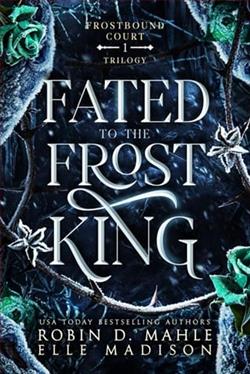
Robin D. Mahle's Fated to the Frost King is a captivating addition to the romantasy genre, weaving a tale of destiny, power, and reluctant love. The novel stands out with its intricate world-building and complex character dynamics, making it a compelling read for fans of slow-burn romance and fantasy intrigue.
At the heart of the story is Everly Elarion, a character who defies the traditional tropes of a fantasy heroine. Born a bastard with a dangerous lineage, Everly is a survivor, accustomed to navigating the shadows of a world dominated by powerful men. Her character is defined by her resilience and defiance, traits that make her an unlikely match for Draven Ashwynter, the Frostgrave King. Draven, on the other hand, is a ruler with a heart as cold as the ice he commands. His kingdom teeters on the brink of ruin, and the solution presented to him—a fated mate—seems more a burden than a blessing.
The dynamic between Everly and Draven is the novel's driving force. Their relationship begins with mutual distrust and reluctance, a classic enemies-to-lovers trope that Mahle executes with finesse. The tension between them is palpable, and as they are forced to confront their prejudices and fears, their cold alliance slowly begins to thaw. This gradual development is a testament to Mahle's skill in crafting believable and engaging character arcs. The transformation from animosity to a deeper connection is neither rushed nor forced, allowing readers to savor each moment of their evolving relationship.
One of the novel's standout themes is the concept of power and its implications. Both Everly and Draven are powerful in their own right, yet their strengths lie in different realms. Everly's power is rooted in her defiance and survival instincts, while Draven's is in his command over the Winter Court. The narrative explores how these powers can be both a source of strength and a vulnerability, particularly in a world where love is seen as a weapon. This theme is reminiscent of works by authors like Sarah J. Maas, where power dynamics play a crucial role in character development and plot progression.
Mahle's world-building is another highlight of the novel. The Winter Court is vividly depicted, with its icy landscapes and political intricacies adding depth to the story. The setting serves as more than just a backdrop; it is integral to the plot and the characters' journeys. The court's looming threats and the stirring of old magics create a sense of urgency and tension that keeps readers engaged from start to finish.
Comparatively, Fated to the Frost King shares thematic similarities with Carissa Broadbent's works, particularly in its exploration of fate and choice. Both authors delve into the complexities of predestined relationships and the struggle for autonomy within them. However, Mahle's novel distinguishes itself with its unique blend of romance and political intrigue, offering a fresh take on the genre.
For readers who enjoy a slow-burn romance with a strong fantasy element, Fated to the Frost King is a must-read. The novel's pacing allows for a deep exploration of its characters and themes, making the eventual payoff all the more satisfying. Mahle's writing is both evocative and engaging, drawing readers into a world where love and power are inextricably linked.
In conclusion, Fated to the Frost King is a beautifully crafted tale that will resonate with fans of romantasy. Its well-developed characters, intricate plot, and rich world-building make it a standout in the genre. Whether you're a longtime fan of Robin D. Mahle or new to her work, this novel promises an unforgettable journey through a world where fate and love collide in unexpected ways.