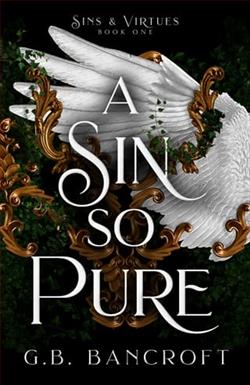
A Sin So Pure by G.B. Bancroft is a captivating novel that delves deep into the complexities of human emotions, ethical dilemmas, and the murky boundaries between right and wrong. This thought-provoking narrative is set against the backdrop of a small, conservative town where secrets and scandals are as deeply embedded as the roots of the ancient oak trees that line its borders. Bancroft masterfully crafts a story that is not only engaging but also challenges the reader to examine their moral compass.
The protagonist, Evelyn Grace, is a complex character with a tortured soul, and Bancroft does a brilliant job of peeling back the layers of her personality. Her return to her hometown, after a decade in New York, catapults the entire town into chaos. Evelyn's past is intertwined with many dark secrets involving almost every town member, including the esteemed town pastor, Reverend Stills. Bancroft uses multiple perspectives to reveal the interconnected sins of the townspeople, and with each chapter, the tension escalates, drawing the reader deeper into the tangled web of lies and deceit.
The narrative style of Bancroft is particularly noteworthy. The use of rich, evocative language and vivid descriptions brings the small town to life in such a way that it becomes almost a character in its own right. The author’s ability to convey the suffocating atmosphere of the town, with its judgemental glances and whispered secrets, is particularly effective and adds to the overall oppressive feel that mirrors Evelyn's inner turmoil.
One of the most intriguing aspects of the book is its exploration of the theme of redemption. Throughout the novel, characters are presented with opportunities to atone for their pasts. Bancroft skillfully highlights the struggles that come with trying to make amends, questioning whether true redemption is ever really possible, especially when a sin touches the lives of so many. This theme is most poignantly explored through the relationship between Evelyn and Reverend Stills, whose shared past is slowly unraveled through chilling revelations that test the faith and morals of the entire community.
The narrative cleverly intertwines past events with the present, utilizing flashbacks that are seamlessly woven into the main storyline. This approach not only adds a layer of suspense but also enhances the emotional depth of the prose. Each revelation from the past sheds new light on the characters’ actions and motivations, enriching the narrative and keeping the reader eagerly turning pages.
However, A Sin So Pure is not without its faults. At times, the plot may seem slightly overwrought with too many scandals and too much emphasis on shock value. Some readers might find this overwhelming, detracting from the novel's more profound philosophical inquiries. Additionally, the conclusion of the book, while satisfying, may appear rushed to some, with certain threads tying up too neatly given the complexity of the issues addressed.
Despite these minor flaws, G.B. Bancroft’s novel is an intelligent and engrossing read. It is particularly recommended for readers who enjoy moral dilemmas and stories that prompt introspection. Bancroft does not shy away from difficult questions about human nature, making A Sin So Pure a compelling examination of forgiveness, guilt, and the possibility of a second chance.
Overall, A Sin So Pure is a testament to Bancroft’s ability to craft a dense, character-driven narrative that is both entertaining and provocative. It is a book that lingers in the consciousness long after the last page is turned, urging one to ponder the inescapable nature of the past and the cost of burying it. Bancroft’s eloquent prose and the moral complexities she paints make this novel a significant and memorable read in the landscape of contemporary fiction.