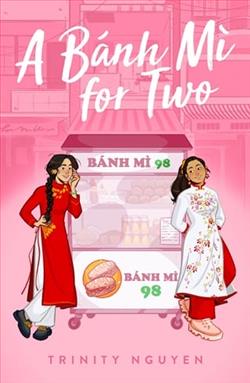
A Banh Mi for Two by Trinity Nguyen is a delightful culinary journey ensconced in a touching narrative that explores the themes of heritage, romance, and self-discovery. This contemporary fiction, set primarily in the bustling streets of Ho Chi Minh City and the tranquil environments of Hanoi, stitches together the tales of two protagonists, each grappling with their personal dilemmas, connected through their love for the Vietnamese sandwich, Banh Mi.
The novel follows Julia Tran, a Vietnamese-American chef from Texas who travels to Vietnam to connect with her roots and to escape an impending sense of career burnout and a failed romance. On the other hand, we meet Minh Vu, a local food blogger in Vietnam, passionate about street food yet struggling with the weight of his family’s expectations to join the corporate world. Their paths cross under the vibrant canvas of Vietnam’s street food scene, leading to an exploration of culture, cuisine, and companionship.
Nguyen crafts her characters with depth and realism. Julia’s character arc is beautifully rendered; we see her transformation from a confused émigré to a confident individual who learns to embrace her heritage. Through cooking classes, market visits, and the preparation of numerous Banh Mi versions, Julia not only uncovers the layers of Vietnamese culinary arts but also unravels her family’s past, thus bringing a sense of peace to her quest for identity. Minh, whose hobby of blogging is looked down upon by his family, uses his culinary journey with Julia as a rebellion and ultimately a reconciliation between his passion and his obligations.
The element of romance is subtly woven into the narrative. It builds slowly, mirroring the meticulous preparation of the Banh Mi – each ingredient matters, contributing to the final creation. This metaphor runs deep through the story, symbolizing how each experience and encounter shapes Julia and Minh’s relationship. The romantic element does not overshadow the primary narrative but adds a layer of emotional depth, enhancing the reader’s investment in the characters’ journeys.
One of A Banh Mi for Two's most commendable aspects is its rich, evocative descriptions of food. Nguyen’s writing turns the simple act of preparing a sandwich into an almost spiritual act. Each scene that involves food preparation is detailed and vivid, enabling readers to smell the cilantro, feel the crunch of the baguette, and taste the spicy, tangy flavors of the Banh Mi. This sensory writing style is not just limited to food but extends to her descriptions of the chaotic charm of Ho Chi Minh City's markets and the serene beauty of the Hanoi lakeside.
Nguyen also addresses the theme of diaspora and the search for identity through food, a common motif in immigrant literature. Julia’s integration into Vietnamese life through the universal language of food serves as a bridge between her American upbringing and her Vietnamese roots, offering a powerful commentary on how cuisine can connect disparate worlds.
However, the novel is not without its flaws. There are moments, especially in the middle segments, where the pacing stumbles, bogged down perhaps by overly descriptive passages that, while beautifully written, slow the narrative. Additionally, some secondary characters feel underdeveloped, serving more as plot devices than as full-fledged individuals contributing to the story’s tapestry.
That said, the strengths of the novel far outweigh these minor pacing issues. The emotional payoff is deeply satisfying, with a conclusion that ties up the personal and culinary journey of both protagonists in a hopeful, if not entirely unexpected, manner. Nguyen's ability to tie cultural exploration with personal growth and romance is commendable and provides a fulfilling reading experience.
In essence, A Banh Mi for Two is more than a story about food. It’s a narrative rich with cultural insights, portraying the complexities of identity amidst the simplicity of a shared meal. Trinity Nguyen has crafted a thoughtful, flavorful tale that nourishes the soul as much as it delights the palate. Readers who appreciate a blend of food, culture, and romance will find much to savor in this charming novel.