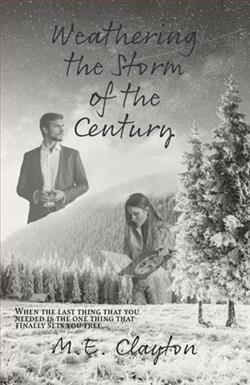
Weathering the Storm of the Century by M.E. Clayton is a compelling narrative that immerses readers into the heart of a devastating natural disaster, while intertwining stories of personal resilience, community spirit, and the relentless human struggle for survival. As the title hints, this novel isn't just a mere recounting of meteorological events but a profound exploration of the human condition in times of crises.
The book opens with an evocative description of the quiet before the storm, setting a solemn tone that beautifully contrasts with the chaos that ensues. Clayton’s prose is eloquent and meticulous, creating vivid imagery and deep emotional connection with the settings and characters from the very beginning. The storm, metaphorical and literal, is a central character in itself, influencing each turn of the plot and shaping the destinies of the book's varied cast.
The novel is set in a small coastal town, a setting that feels almost timelessly suspended between the old and the new. This serves as an effective backdrop for exploring themes such as tradition versus progress, nature versus human development, and isolation versus community. As the storm approaches, readers are introduced to a diverse set of characters each with their own fears, secrets, and histories.
Central to the narrative is Ellie, a young teacher who moved to the town seeking solace from her troubled past. Her development throughout the story from a timid newcomer to a pivotal figure in the crisis is both believable and inspiring. There's also Tom, the weathered fisherman whose deep respect for the ocean is matched only by his determination to protect his family and community. Their stories, along with those of other townsfolk, are interwoven with skill and care, converging in a narrative crescendo that mirrors the storm’s peak.
What makes Clayton's approach stand out is her ability to balance character-driven drama with the thrilling elements of a disaster plot. The storm scenes are described with a precision that can almost be felt, putting the reader at the heart of the ferocious winds and fearsome waves. These descriptions are juxtaposed with quieter moments of human connection and introspection, adding layers of depth to the narrative.
The dialogue throughout the book is another of Clayton’s strengths, capturing the authentic voices of a tight-knit community with their distinctive local idioms and cultural nuances. This authenticity brings the characters to life, making their fears, hopes, and decisions resonate with the reader on a more personal level. The interactions between characters not only advance the plot but also reveal underlying social tensions, such as class divisions and the challenges of governance in small communities, making the book a richer, more thoughtful read.
However, Weathering the Storm of the Century goes beyond just being a disaster novel; it challenges the reader to consider the broader implications of natural disasters on human lives. It raises poignant questions about resilience—what it means to rebuild not just physical structures, but lives and spirits shattered by unforeseen calamities. It also touches upon the role of leadership in times of crisis, the impact of trauma on communities, and the power of collective effort in recovery processes.
Clayton’s narrative is not without its flaws, however. At times, the numerous subplots can feel overwhelming, and certain secondary characters seem underdeveloped. Moreover, the pacing wavers in the middle sections where the detailed descriptions might slow down the momentum. These are minor blemishes in an otherwise engaging tapestry of storytelling.
In the climactic sequences where the storm makes landfall, Clayton skillfully rampages through emotional peaks and troughs, masterfully capturing both the terror of the storm and the human dramas unfolding within it. The resolution is satisfying, though bittersweet, reflective of the true nature of such a calamity—where not everything can be restored, and loss leaves indelible marks.
Ultimately, Weathering the Storm of the Century is a testament to the enduring human spirit. Through her authentic portrayal of a small town caught in the throes of an epic storm, M.E. Clayton delivers a narrative that is both a thrilling survival saga and a thoughtful commentary on community, resilience, and the complex interactions between human beings and nature. It’s a recommendable read for anyone who appreciates stories that intertwine personal growth and survival against the odds within the broader context of natural disaster and societal impact.