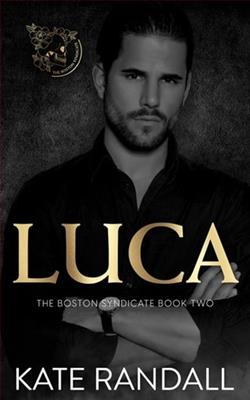
Luca by Kate Randall is a compelling narrative that plunges into the depths of familial ties, unraveling secrets, and the quest for identity amidst the murky waters of past traumas. Randall intricately weaves a tapestry of emotional complexity and psychological tension that doesn't just captivate but also offers profound insights into the resilience of the human spirit.
The story revolves around the protagonist, Luca Moretti, who abruptly discovers that the life he has been living is built on a lattice of lies, meticulously orchestrated by those closest to him. As he returns to his ancestral home in a quaint Italian village following the untimely death of his father, Luca is compelled to sift through the remnants of his past to uncover the truth about his identity. The scenic backdrop of Italy, painted vividly by Randall, offers a stark contrast to the dark, often painful revelations that Luca encounters on his journey.
Kate Randall's prose is nothing short of exquisite. It flows effortlessly, with a rhythm that matches the emotive highs and lows of the narrative. Her ability to evoke the senses is paramount, crafting scenes so rich and detailed that readers can almost smell the fresh Italian cuisine or feel the rustic cobblestones underfoot. The small village settings, with their close-knit communities and age-old traditions, are depicted with such authenticity that they become characters in their own right, influencing Luca’s journey significantly.
Luca is a deeply flawed yet undeniably relatable character. His vulnerabilities and relentless quest for truth make him endearing to readers. As Luca delves deeper into the labyrinth of his past, he confronts not only the falsehoods of his familial legacy but also the shadows within himself. This internal conflict is masterfully portrayed by Randall, who employs a mix of first-person narratives and third-person descriptive passages to give a comprehensive view of Luca’s psychological state.
Supporting characters are crafted with equal finesse. From the stoic grandmother Maria, whose stern exterior belies a tumultuous past, to the enigmatic Elisa, who holds the keys to many of Luca’s unanswered questions, each character adds layers to the story’s rich narrative. Their interactions with Luca are not merely accessory but pivotal in steering the plot towards its dramatic climax.
The themes of Luca are universal yet presented with a unique freshness. Issues of identity crisis, the abandonment of truth, and the reconstructive nature of memory are explored not just through situations but through symbolic motifs such as the dilapidated family villa or the recurring image of a fragmented painting. Randall doesn’t shy away from posing difficult questions about the nature of identity and the extent to which one's past should dictate the future.
However, it is in the unraveling of the family mysteries where Randall really shines. The suspense is meticulously built up, making the book difficult to put down. Each revelation is timed perfectly, maintaining a pace that keeps the reader hungry for more. The intertwining of genres—combining elements of psychological thrillers with those of dramatic family sagas—adds to the overall appeal of the book.
Admittedly, Luca can be emotionally taxing. The exploration of trauma, loss, and betrayal is intense, and some scenes might be jarring for sensitive readers. Nonetheless, these elements are essential, serving not just as plot devices but as catalysts for character development and thematic depth. The end result is a story that feels both personal and expansive, a story that challenges yet satisfies.
One can criticize the occasional predictability of certain plot twists or the somewhat idealized reconciliations that seem contrasted against the story’s mostly gritty realism. However, these are minor in comparison to the overall impact of the narrative. At its heart, Luca is about transformation—both of the self and of relationships—and Randall handles this complex theme with a deft hand.
In conclusion, Luca by Kate Randall is not just a novel; it's an emotional journey that tests the limits of familial bonds and individual endurance. It deftly combines the allure of an Italian setting with the poignant struggles of its characters, resulting in a mesmerizing read that resonates deeply. Randall demonstrates her prowess as a storyteller, capable of rendering both heartache and hope with profound authenticity. This book is a testament to the enduring power of self-discovery and redemption, recommended for anyone who appreciates literary depth intertwined with engaging storytelling.