Page 161 of Bound By Honor
They were ready. They had only to wait.
CHAPTER 28
The New Park forest, south of Stirling Castle, 23rdJune 1314
AFTER A RESTLESS night’s sleep, Angus woke at daybreak to the sounds of men stirring around him and the chorus of bird song from the trees above.




Still in the positions the king had assigned them the previous day, the men were soon called to Mass, celebrated by Maurice, Abbot of Inchaffray, and Bishop Lamberton. Clothed in dark robes, they walked between the divisions, the Abbot of Inchaffray holding high a large cross.
After Mass, King Robert dismissed those who would not be fighting, the camp followers, servants, cooks and clergy he dubbed “the small folk”. He directed them to Coxet Hill east of the New Park where they could observe but be safe from the battle to come.
Sitting atop a gray palfrey, his helmet circled with a gold crown, the king rode back and forth in front of the lines, addressing the army. “We will observe the vigil of St. John as a solemn fast.” All knew this meant bread and water but no one complained. They wanted God on their side. In a loud voice, the king proclaimed, “We are here to win Scotland’s freedom, not just defend Stirling Castle. If you do not come to conquer or to die, you should quit the field.”
Not a man moved; not a word was uttered.
Angus and his chiefs raised their swords and shouted the words they had declared at Finlaggan. “For King Robert and Scotland!” They were immediately joined by the rest of his Islesmen and then by thousands of their fellow warriors, making clear to the king they were ready for battle.
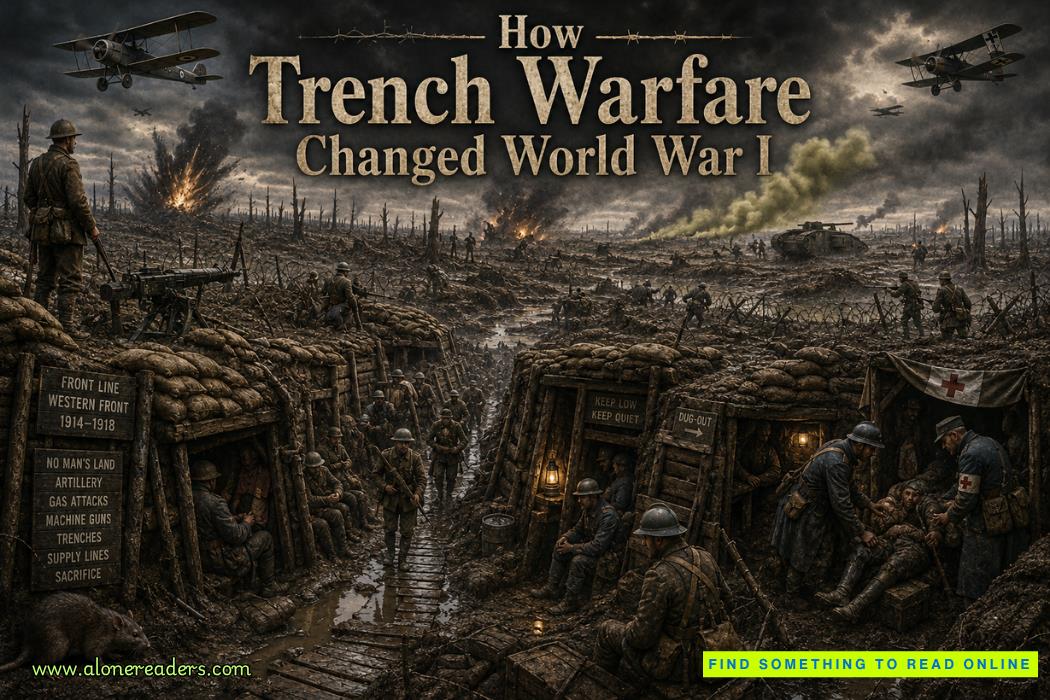
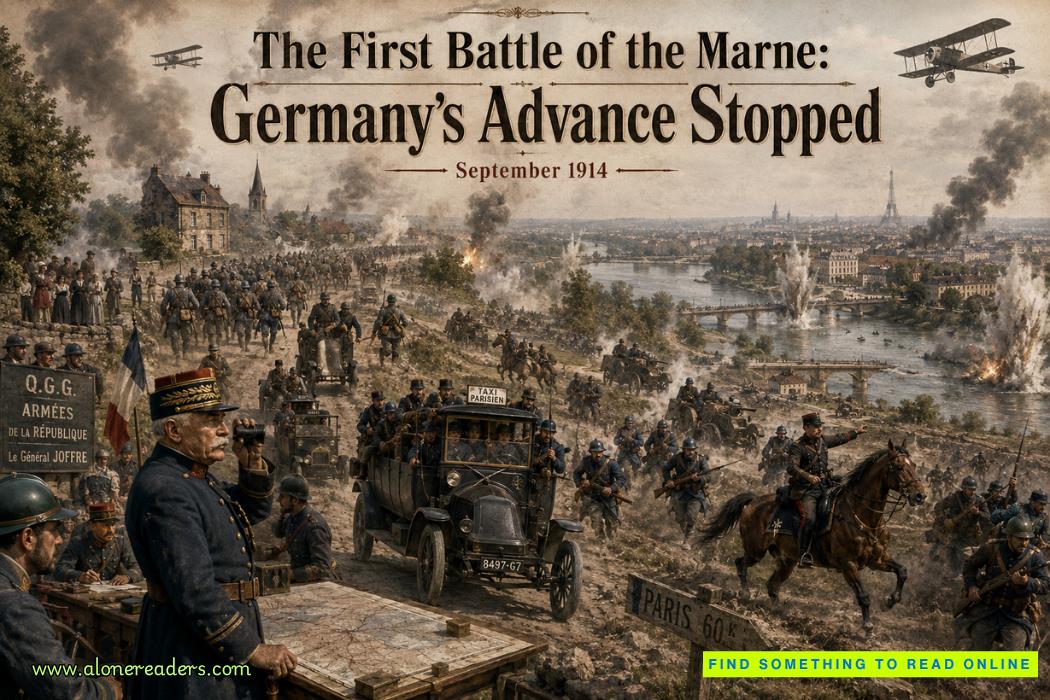
As the sun rose over the hills, tidings came of the approach of the English army from Falkirk, ten miles away, where they had camped the night before. King Robert dispatched Keith and Douglas to lead a mounted patrol to watch for their arrival.
The sun had reached its zenith when the two knights came galloping back to report to the king, still sitting his palfrey. Angus, Thomas Randolph, Gilbert Haye, Neil Campbell and the king’s brother stepped out of their divisions to approach the king and the two returning from patrol.
“Sire,” said Keith. “A forest of pennons fills the horizon. The sight took my breath away. The sun reflecting from their weapons and armor was like a river of silver flowing into Scotland.”
“They are formed into ten divisions,” said Douglas, “thousands in each with banners of their knights going on for miles. We recognized some of the commanders. Gilbert de Clare, Earl of Gloucester, and Humphrey de Bohun, Earl of Hereford, appear to be jointly leading the vanguard of hundreds of knights in heavy armor. Hereford’s nephew, Henry de Bohun rode close by his side.”
The king frowned. “Gloucester is my kinsman and Hereford once my friend. If King Edward has given them a shared command of the van, he has made a grave error. For the sake of his nephew, he has undermined Hereford, the Constable and rightful leader.”
No one commented on that. They all knew King Edward rewarded his favorites, no matter the dictates of military custom.
“The English army is accompanied by thousands of Welsh archers armed with longbows,” said Keith.
The king faced the two, sitting on their horses across from him, his countenance stern. “Say nothing of this to the men. Such a report will only cause alarm.” As if to add emphasis, he looked down at the small group standing beneath him. “Rather, tell them the English troops came on in great disorder, tired from their long march in the hot sun.”
Angus agreed with this strategy. The army needed to maintain their confidence. Moreover, the army would believe it. Already, the sun had heated his mail and helmet, making him glad the king had positioned them in the New Park where the trees provided shade.
“That much is true,” said Douglas. “The vanguard presses forward eagerly but the army behind them is strung out over many miles and straggling. In truth, the main army appeared to be halted while the van moved on.”
Thus informed, Angus and the others returned to their schiltrons. In the rearguard, Angus gave a report, using the king’s words. Duncan and John might look beyond the words to Angus’ concern but they said nothing.
Scanning the men in the large schiltron, Angus searched for the young man the king had said resembled him in appearance and spotted one not far away with copper-tinged light brown hair whose stature was that of a Macdonald. Determined to keep an eye on him, Angus had asked Duncan and John the night before to do what they could to protect the lad when their division was released into the fight.
Meantime, the English vanguard under the Earls of Gloucester and Hereford emerged from the Torwood, followed by hundreds of knights and mounted men-at-arms. The young Earl of Gloucester, in his bright yellow surcoat with red chevrons, dashed through the Bannock Burn and advanced on the New Park.
Angus watched as the young earl and the English knights encountered the covered pits on either side of the road and were thrown into great disarray. Despite these difficulties, the English knights pressed on, their advance covered by a cloud of Welsh archers, who made their way where the heavy cavalry could not pass.
Sir Edward’s schiltron was ready to receive them, his spearmen in staggered lines forming an impenetrable wall of steel-tipped shafts. Angus, spotting Brian’s red hair beneath his helmet, prayed Edward’s division would hold.
Suddenly, a detachment of English knights, numbering in the hundreds, broke off from the main group and circled around the Scottish line, skirting the woods where Randolph was posted. “Look!” Angus shouted to the king, pointing to the horsemen riding near the Forth beyond the Bannock Burn. “They are heading to Stirling Castle!”
“I see it,” said the king and rode to his nephew, the Earl of Moray, shouting, “Randolph! Look! A rose has fallen from your chaplet! Thoughtless man. You have permitted Robert Clifford and Henry de Beaumont to pass!”
Randolph must have been horrified at failing to perceive what he had been warned about by the king the day before. He rushed his foot soldiers down to the path to block Clifford and de Beaumont. A terrible fight ensued with the English horsemen attempting to get past the spears of Randolph’s schiltron.
Beaumont’s hundreds of lances circled Randolph’s schiltron. Some foolishly galloped onto the spears. At least one knight was killed and one unhorsed and taken. Under so vigorous an attack, the schiltron appeared hard-pressed to hold the formation.
Douglas, still on horseback from the morning’s foray, asked King Robert’s permission to go to the assistance of Randolph, but his request was refused. “You shall not move,” said the king. “Let Randolph free himself as he may. I will not alter my order of battle, nor lose my vantage of ground.”
“My lord!” cried Douglas, as the heavily-armed English knights closed in on Randolph’s foot soldiers, “I cannot stand by and see Randolph perish when I can give him help! By your leave, I must go to his aid!”