Page 3 of Scorched
"You are the best I’ve ever trained. You are the best weapon I’ve ever made." She pauses. "Don’t let him see you. Don’t let him touch you. Don’t let him close enough to hurt you.”
I think about the pull in the forge. The metal singing under my hands. The fact that my grandmother has spent my entire life teaching me not to feel. I push it down. I push it so far down that it disappears, the way she taught me, the way I’ve survived twenty-six years as a thing that kills without feeling.
"I never let them see me," I say. “Or hurt me. This will be the same as always.”
I pick up my trunk. I walk out the door. The street is grey with early dawn and the air is cold. I’m the most dangerous person for miles and no one will ever know.




Nine days. One ancient king. One cut.
I have never failed.
I don’t intend to start.
2
IGNUS
The Bloodwork vault smells the way it has smelled for six hundred years: cold iron, dead fire, and ash. It's empty, as it has been for longer than any human civilization has been around. That emptiness has lived here so long it almost has a name.
I come down here before every Harvest Festival. The tradition began at some point in the first century after I destroyed them. I stopped asking why a long time ago.
The vault sits beneath the Royal Forge, cut into the stone that predates the court itself. I'm the only one who enters. The lock responds to my fire alone—not a key but a temperature, held for exactly as long as it takes the metal to remember who made it.
Everything in the Ember Court remembers who made it. That's the problem with fire Fae craftsmanship. It holds memory the way stone holds weight.
I light the sconces with a thought and the room fills with the amber glow that firelight has when it touches old iron. The artifacts line the walls on shelves I built myself: blades, mostly. Forty-seven of them. Each one made by a Bloodwork Fae inthe centuries before I ordered the purge, and each one more beautiful than anything my court has produced since.
I pick up the nearest blade. A short-sword, the edge still sharp after six centuries because Bloodwork steel does not dull the way ordinary steel does.
The metal is alive in my hand. I can feel the maker's signature in it—a complex heat pattern worked into the grain during forging, like a fingerprint pressed into the fire itself. This one was made by a female named Aelith. She was ninety-three when my soldiers came for her family. I know this because I wrote it down, the way I wrote down every name whose blood bought a peace these courts have spent six centuries pretending was free.
The ledger sits on the bottom shelf, bound in leather I cured myself. Every name. Every age. Every last known location.
I was thorough about the killing because that was the only way to end it, and if I hadn't done it, the other courts would have been entirely too thorough. The decision was the only one that could be made at the time.
The Bloodwork Fae had grown too powerful, their ability to shape metal and fire threatening the balance between the courts. Three of the other seven rulers came to me with evidence of weapons being forged that could kill even immortals. I saw the evidence, heard the murder in their voices, and made the call: the Bloodwork Fae would die by my hands so they didn't die by any other.
I burned them out in a single night. Every forge. Every workshop. Every home that held a Bloodwork Fae or their families. My fire found them and ended them.
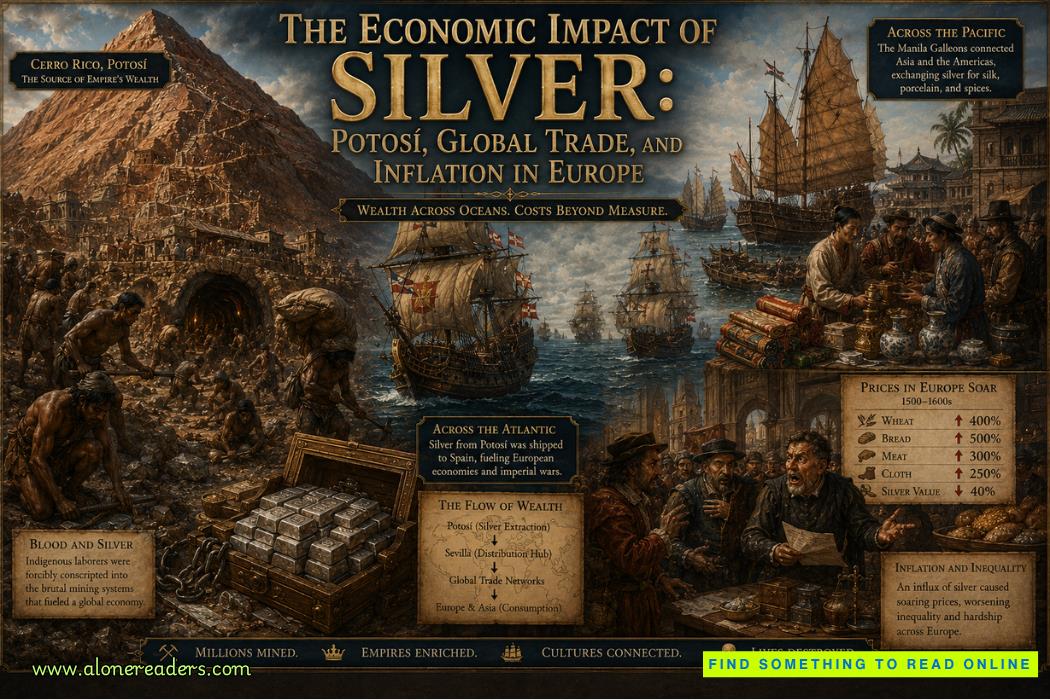
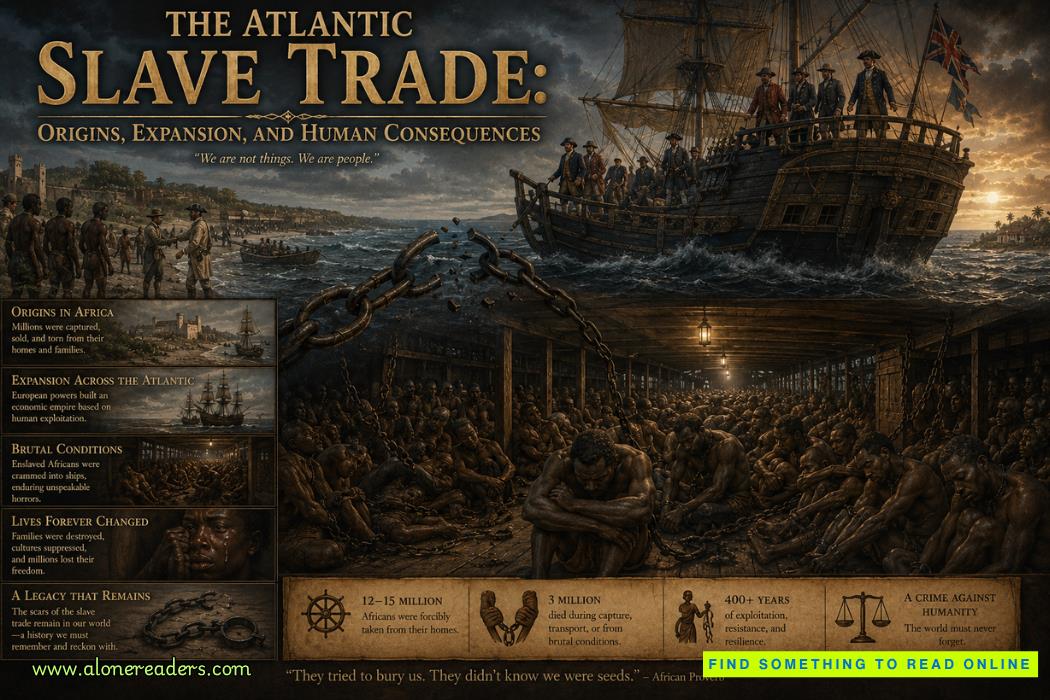
Afterwards I stood in the ashes of the last settlement and counted what was left: forty-seven blades, a handful of unfinished pieces, and a list of names with the word unaccounted beside the youngest.
Six hundred years. The blades have not dulled. The guilt hasn't either. I've stopped expecting it to.
I set the short-sword down and turn my attention to the report my intelligence master left on the worktable this morning. Cassius is efficient and humorless. He's served me for centuries and been thorough in every last one of them. The report is two pages.
Potential threat flagged for Harvest Festival attendance. Lady Sophie Moreau, landowner, eastern territories. Cover identity assessed is deep but constructed. True identity: unknown. Weapons detected during preliminary screening—concealed blade, at least two chemical compounds consistent with unique toxicology. Assessment: professional. Note: superior craftsmanship in her weapons. Origin of blade unclear. Recommend denial of entry.
I read the report twice. Not because the assessment is unusual—I receive assassin warnings three or four times a year, and the last one who made it past my outer guard died of his own nerves before he reached my chambers. I read it twice because of five words.
Superior craftsmanship in her weapons.
I sit with that for a moment. Then I fold the report and set it aside and go to the forge.
The Royal Forge is the oldest room in the Ember Court. It was here before the throne room, before the volcanic rock halls, before the diplomatic quarters where tonight's guests will eat, served by people frightened of me. I built this forge with my own hands nine centuries ago and have maintained it alone ever since. No apprentice. No assistant.
I am the last Fire Fae who forges, and I forge alone. Once, that made me feel lonely—long ago, when I was young and thought of myself as a male who might one day take a mate, havea family. Now it seems right. Some weights are better carried alone.
I take a bar of Ember steel from the rack and heat it. The fire answers me the way it always does: immediately, totally, climbing at my will until the metal glows orange-white and the heat of it presses back against my bare forearms like a living thing.